Estimated reading time: 10 minutes
If you’ve ever spent an hour cleaning and walked away feeling like the house still wasn’t quite right — a little smelly, somehow still dusty, or with floors that felt sticky ten minutes after mopping — the problem probably isn’t effort. It’s technique.
Most cleaning mistakes homeowners make aren’t obvious. They don’t look like mistakes in the moment. They feel like cleaning. That’s what makes them so persistent. A few small adjustments, though, and the difference is noticeable almost immediately.
Here’s what’s actually going wrong — and why.
You’re Probably Cleaning in the Wrong Order
Most people clean whatever they notice first. The floor looks dirty, so they vacuum. Then they dust the shelves, and the dust settles back onto the floor they just cleaned.
This is the cleaning order problem, and it explains a lot of wasted effort.
The professional approach is straightforward: always clean top to bottom, and always do floors last. That means ceiling fans, shelves, and surfaces first — then counters and appliances — then floors. Everything you disturb above eventually falls down, so you want it all to land on a floor you haven’t cleaned yet.
The correct order for a room:
- Dust ceiling fans, light fixtures, and upper shelves
- Wipe down surfaces, appliances, and counters
- Clean sinks, fixtures, and mirrors
- Vacuum or sweep
- Mop (if applicable)
It sounds obvious once you hear it. Most people learn it the hard way — usually after vacuuming and then immediately watching dust drift down from a shelf they moved.
The Dirty Tool Problem
A dirty mop doesn’t clean a floor. It redistributes bacteria across a slightly damp surface. Same with a sponge that’s been sitting wet in the kitchen for two weeks, or a cloth used to wipe down the bathroom that then gets used on the kitchen counter.
Kitchen sponges in particular harbour far more bacteria than most people realise — they stay moist, they collect food residue, and they rarely get replaced often enough. Microwaving a damp sponge for 60 seconds kills most of the bacteria, but replacing it weekly is more reliable. Honestly, switching to washable microfiber cloths for most tasks eliminates the problem entirely — you wash them after each use and the bacterial buildup cycle doesn’t get started.
What to Do About Cross-Contamination
Professional cleaners use a colour-coded cloth system: one colour per area, never mixed. Red for bathrooms, blue for kitchen surfaces, green for general dusting — the specific colours don’t matter, the principle does. Using a separate cloth for each area takes almost no extra thought once it’s a habit, and it stops you from carrying bathroom bacteria into the kitchen every time you clean.
The best cleaning tools for homeowners guide covers which microfiber cloths are actually worth buying — not all of them perform the same way.
Spraying Cleaner Directly onto Surfaces
Spraying cleaner directly onto glass or wood feels natural — but it’s usually what causes streaks and residue.
The issue is control. Spray nozzles disperse product unevenly, and on glass especially, the excess sits in corners, runs into edges, and dries into a film. On wood surfaces, direct saturation can seep into grain or finishes.
The fix: spray the cleaner onto a microfiber cloth, then wipe the surface. You use less product, it distributes more evenly, and there’s no excess pooling anywhere. The streak problem usually disappears entirely.
One exception: disinfecting sinks and similar surfaces, where direct application ensures full coverage before you wipe. The cloth-first method is specifically for surfaces where streaking or saturation is a concern — glass, wood, polished fixtures.
Not Actually Letting Cleaners Work
This one genuinely changes how you clean once you understand it.
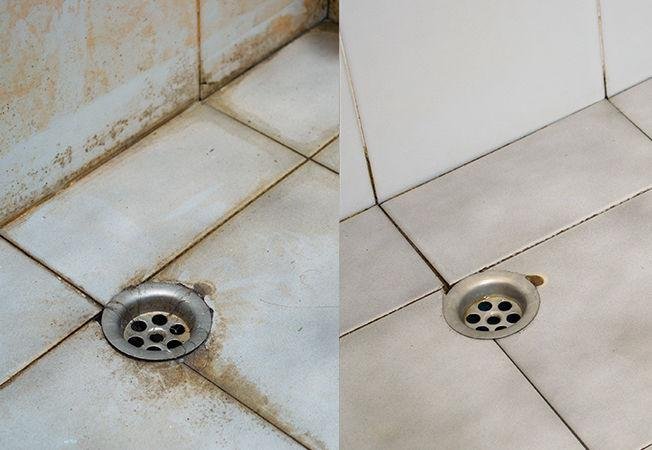
Most people spray a cleaner, wipe immediately, and move on. But most disinfecting products need sustained wet contact with a surface — called dwell time or contact time — to kill bacteria and viruses. Wipe before that time is up and you’ve essentially just moved the contamination around on a slightly wet surface.
Cleaning vs Disinfecting — They’re Not the Same Thing
Cleaning removes visible dirt. Disinfecting kills pathogens. You can have a surface that looks spotless but is still full of bacteria if you’ve only used a general cleaner without proper dwell time.
Most household disinfectants need between 30 seconds and 4 minutes of contact time, depending on the product. That information is on the label — check it once and you’ll never ignore it again. Spray, wait, then wipe. It’s a small habit change that makes a genuine difference, especially in bathrooms and kitchens.
This is also why surfaces that get cleaned frequently but seem to stay germ-prone — chopping boards, bathroom taps, kitchen sponge areas — often aren’t actually being disinfected. They’re being cleaned, which isn’t the same thing.
Using One Cloth for Every Room
Related to the dirty tool problem, but worth its own mention: the same cloth used across your whole home is spreading whatever is in your bathroom to your kitchen worktops, your living room surfaces, and everything else.
This is cross-contamination in practice. It’s not dramatic — you probably won’t get sick from it directly — but it’s also not actually cleaning. It’s moving bacteria from one room to another at slightly lower concentrations.
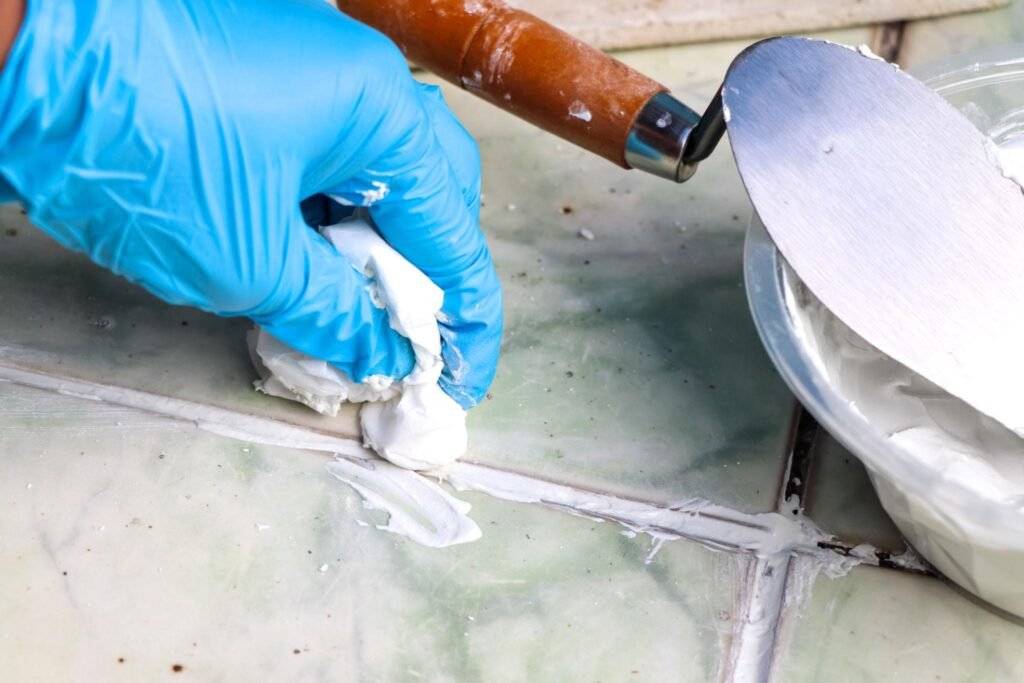
The solution is either the colour-coded cloth system mentioned earlier, or simply using a fresh cloth for each room. If you’re running a robot vacuum for floors and then wiping down surfaces, make sure the surface cloths are clean ones — not whatever was used last session.
Over-Saturating Surfaces (And Why Your Floor Is Sticky)
If your floor feels sticky after mopping, the cause is almost always the same: too much cleaning solution and not enough rinsing.
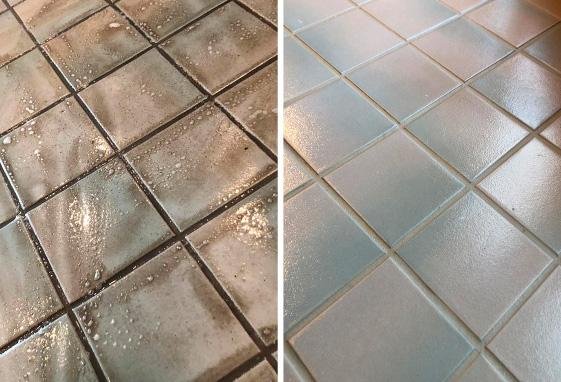
Cleaning products leave residue when they’re not fully removed. On floors, that residue attracts more dirt — so an over-mopped floor gets dirty faster than one cleaned correctly, and the stickiness you feel is product buildup rather than actual cleanliness.
The fix: use less product than you think you need (a small amount of cleaner in a bucket of warm water is usually enough), wring the mop until it’s nearly dry before it touches the floor, and do a final pass with clean water if you’re using anything beyond a very dilute solution.
Same principle applies to counters and appliances — more cleaner doesn’t mean more clean. It usually means more residue and more work to remove it.
For specific floor types, especially hardwood, the amount of moisture matters even more. The DIY hardwood floor cleaning tips guide covers this in detail, including why the mop should feel almost dry before it touches the floor.
Mixing Cleaning Products — The Two You Really Shouldn’t Combine
Most product mixing is just wasteful or ineffective. Two combinations are genuinely dangerous.
Bleach and ammonia produce chloramine vapour — a toxic gas that causes respiratory irritation, coughing, and in enclosed spaces like small bathrooms, can cause more serious harm. Many glass and window cleaners contain ammonia, which means spraying them on a surface you’ve just cleaned with bleach is a real risk, not a theoretical one.
Bleach and vinegar produce chlorine gas. Both are common household products and the combination is easy to stumble into accidentally if you’re switching between “natural” and conventional cleaners.
The practical rule: don’t combine products in the same application unless the label explicitly says they can be combined. If you’re switching from one product to another on the same surface, rinse the surface with water between applications. That’s it — no chemistry degree required.
For reference on which products are safer to use together, the best natural cleaning products guide is worth reading alongside this.
The Surfaces Most People Forget to Clean
You can clean a bathroom floor, wipe down every surface, and scrub the toilet — and still leave some of the most bacteria-dense spots in the room completely untouched.
Light switches. Door handles. Remote controls. Tap handles. Fridge door pulls. These get touched constantly by multiple people and are cleaned almost never. They’re not dramatic to overlook, but they’re also the surfaces most likely to pass germs between household members.
Adding them to a regular routine doesn’t take long. A quick wipe with a disinfectant cloth once a week covers most of them. The point is remembering to include them, which most cleaning routines simply don’t.
The bathroom deep cleaning hacks guide covers this room specifically — including flush handles and toilet roll holders, which fall into the same forgotten-surface category.
A Note on Tools
Reliable tools genuinely matter. An underpowered handheld vacuum that needs three passes to pick up what a proper vacuum would get in one isn’t saving time — it’s extending the job and probably leaving more behind.
This doesn’t mean expensive. It means suited to the job. A decent full-size vacuum for carpeted rooms, a microfiber flat mop for hard floors, and a set of washable cloths — that’s essentially the whole toolkit for most homes. What they replace (wet sponges, disposable wipes, paper towels for every surface) is usually more expensive over time and less effective.
The budget cleaning products worth buying guide covers what’s actually worth spending money on without overcompleting the kit.
FAQs
What order should you clean a house in?
Always clean top to bottom and leave floors for last. Start with ceiling fans, shelves, and upper surfaces, then work down to counters, appliances, and fixtures, and finish with vacuuming and mopping. This way, anything dislodged while cleaning higher surfaces lands on floors you haven’t cleaned yet.
How long should you leave disinfectant on a surface before wiping it?
Most household disinfectants require between 30 seconds and 4 minutes of wet contact time to effectively kill bacteria and viruses. Check the product label for the specific dwell time. Wiping immediately after application significantly reduces how effective the product actually is.
What cleaning products should you never mix?
The two dangerous combinations are bleach with ammonia (produces chloramine gas) and bleach with vinegar (produces chlorine gas). Both can cause respiratory irritation in enclosed spaces. Many common cleaners — including some window sprays — contain ammonia, so check labels before combining products or switching between them on the same surface.
Why is my floor sticky after mopping? Sticky floors are almost always caused by too much cleaning solution and insufficient rinsing. Product residue left on the floor attracts dirt and creates the tacky feeling. Use a more dilute solution, wring the mop until it’s nearly dry, and finish with a clean-water pass if using a concentrated cleaner.
Should you spray cleaner on the cloth or the surface?
For most surfaces — especially glass, wood, and polished fixtures — spray onto the cloth first, then wipe. This prevents streaking, reduces waste, and stops excess product from running into edges or seams. The exception is when disinfecting sinks or large surfaces where full coverage matters; there, direct application followed by the correct dwell time is more reliable.
Is it really bad to use the same cloth in every room?
Practically, yes — it transfers bacteria from bathrooms to kitchens and across surfaces that should stay separate. Professional cleaners colour-code cloths by area for exactly this reason. At minimum, use a separate cloth for bathrooms vs. the rest of the house and wash cloths after each cleaning session.
What are the most common cleaning mistakes homeowners make?
The most common are: cleaning in the wrong order (floors before surfaces), using dirty tools that spread germs rather than remove them, spraying cleaner directly onto surfaces instead of onto a cloth, wiping disinfectants away before their dwell time is up, using the same cloth across multiple rooms, over-saturating floors and leaving product residue, and forgetting high-touch surfaces like switches, handles, and remotes.