Estimated reading time: 11 minutes
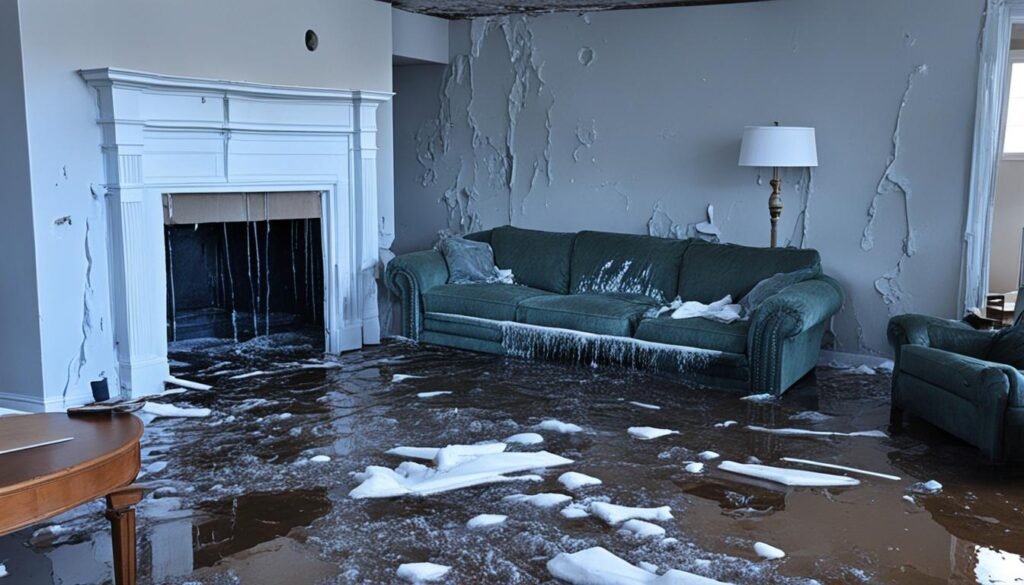
A burst pipe doesn’t give you much warning. One February morning it’s fine; by afternoon you’re standing in two inches of water trying to remember where the main shutoff is. Most winter home damage doesn’t come from freak storms or unusual cold — it comes from the handful of things homeowners meant to do in October and never got around to.
That’s the real list. Not the obvious stuff. The stuff that feels like it can wait one more week until suddenly it really can’t.
Here’s what actually gets skipped, why it matters, and how serious each one is.
What Homeowners Actually Forget Before Winter
A quick-scan version before we get into each one:
- Attic insulation is too thin — you can see the ceiling joists from up there
- Gutters are full heading into freeze season — water backs up, ice dams form
- Air leaks around windows, doors, and outlets — slow and steady heat loss all winter
- Furnace hasn’t been serviced in over a year — you won’t know it’s struggling until it stops
- Outdoor faucets are still connected — one hard freeze and a pipe bursts inside the wall
- Chimney hasn’t been inspected — creosote buildup is a fire hazard hiding in plain sight
- No emergency supplies — power outage, frozen roads, no plan
Not all of these carry the same weight. A frozen outdoor faucet can cause $5,000–$15,000 in water damage. Skipping an ice melt restock is annoying at worst. The article reflects that difference.
Attic Insulation and Ice Dams — The Mistake That Lives Above You
Most homeowners don’t actually know how much insulation is in their attic. They vaguely remember someone mentioning it once during a home inspection and assume it’s fine.
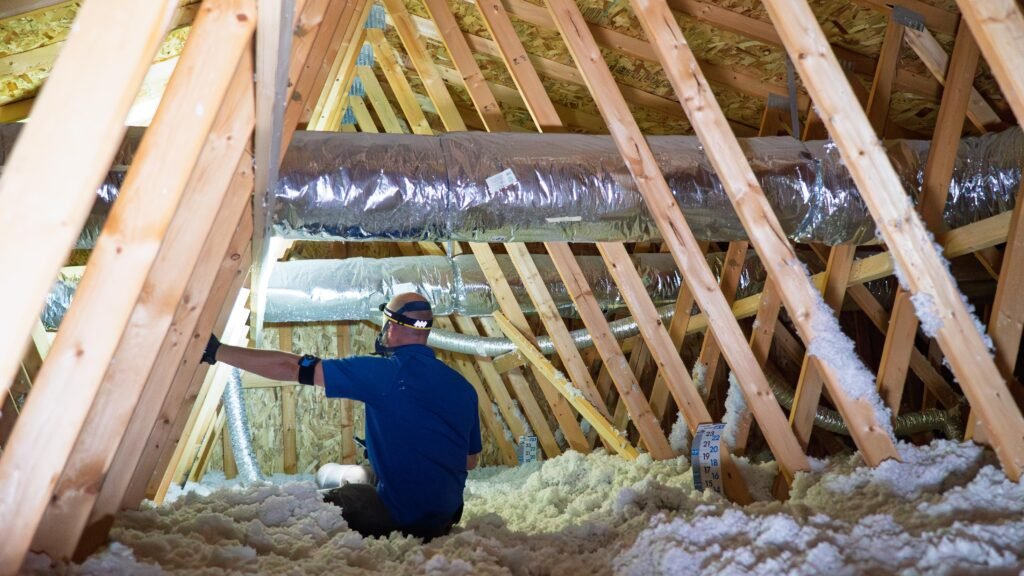
Here’s a quick way to check: go up there and look for the ceiling joists. If you can see them — or if the insulation is level with them — you don’t have enough. Cold climates generally need 12–14 inches of insulation for adequate thermal performance. If yours is sitting at 4–6 inches, you’re heating the outdoors.
Thin attic insulation also sets you up for ice dams. Heat escapes through the ceiling, warms the roof deck, melts the snow sitting on it, and that water runs down and refreezes at the cold eaves. Once an ice dam forms, water can back up under shingles and seep into the attic or walls. The damage tends to show up as stained ceilings or peeling paint — weeks after the actual event.
DIY or pro? Adding insulation batts yourself is doable if you’re comfortable in an attic. Blown-in insulation — which covers gaps much more effectively — typically needs a rental machine and some experience. Most homeowners book a pro for under $1,500 and find it pays back in heating costs within a season or two. If you’re due for a roof check before winter, do both on the same trip up.
Gutters Are Still Your Problem
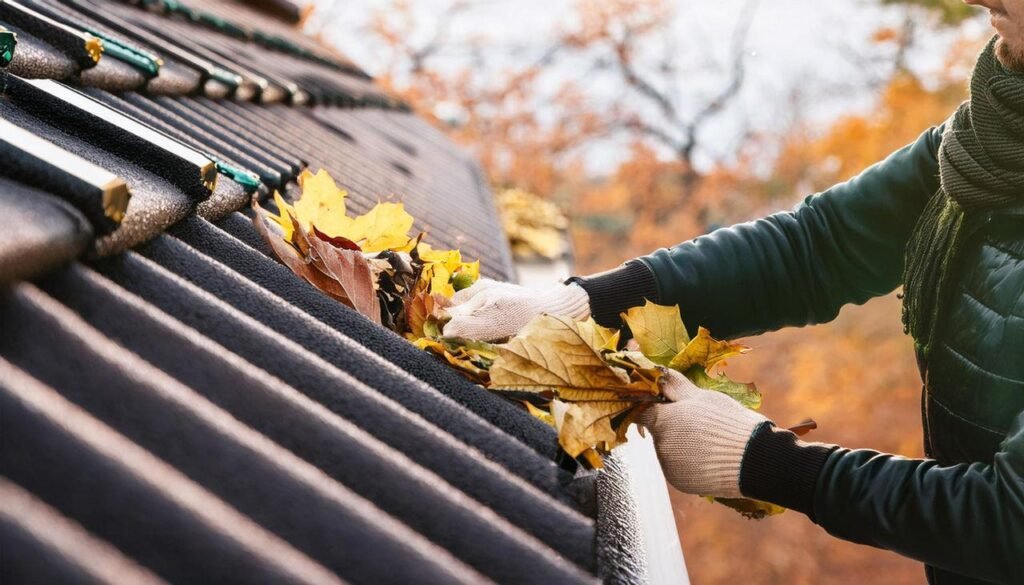
Nobody loves cleaning gutters. But leaving them packed with leaves heading into freeze season is one of the more reliable ways to cause water damage you won’t find until spring.
Full gutters can’t drain properly. Water pools, freezes, and creates weight and ice that pulls the gutter away from the fascia. More seriously, that backed-up water has nowhere to go but under the roofline. Combined with the ice dam issue above, it’s a bad combination.
The timing matters more than most people realise. Cleaning gutters in September doesn’t help much if the big leaf drop happens in November. A mid-to-late November clean — after most trees have shed — is more effective. If you have overhanging trees and don’t love going up a ladder twice, gutter guards are worth considering as a longer-term fix.
While you’re up there, check that downspouts are directing water at least 4–6 feet away from the foundation. Pooling near the house in freeze-thaw cycles will eventually work its way into the basement.
DIY or pro? One-story cleaning is a reasonable DIY task — you’ll want a sturdy ladder and a bucket. For two-story homes or steep-pitch roofs, booking a gutter cleaning service for $100–$250 is a reasonable trade. Here are the best ladders for home maintenance if you’re doing it yourself.
The Air Leaks Hiding in Plain Sight
Heating a house with unsealed air leaks is like running a bath with the drain open. You can keep pouring in heat, but you’re fighting a constant leak.
The surprising thing is where air leaks actually live. Most people check windows first — reasonable, but window seals are usually the easiest thing builders get right. The bigger culprits are:
- Electrical outlets on exterior walls — press your hand near one on a cold day and you’ll often feel cold air moving
- Where pipes enter the wall — under sinks, behind washing machines, around the dryer vent
- The attic hatch — often completely unsealed, sitting directly above your conditioned space
- Recessed lighting — can-style pot lights in the ceiling frequently connect directly to unconditioned attic space
The candle or incense test works well: hold a lit stick near suspected gaps on a windy day and watch for movement. Smoke drifting sideways tells you exactly where to caulk or weatherstrip.
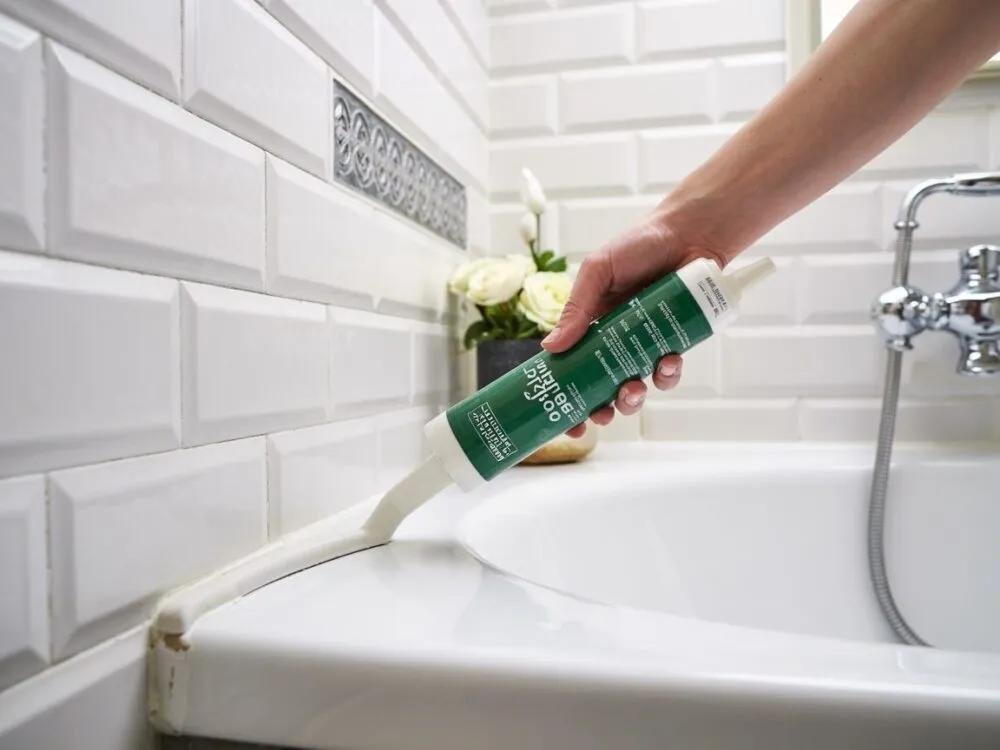
Weatherstripping on exterior doors is worth checking annually. If you can see daylight around a closed door, or feel a draft at the base, a door sweep is a $15 fix that makes a noticeable difference. Caulking around window frames and pipe penetrations is similarly cheap and easy.
DIY or pro? Almost entirely DIY. Caulk, weatherstripping, foam outlet gaskets, and door sweeps are all simple weekend tasks. For a more thorough audit, an energy assessor can do a blower door test that maps every air leak in the house — typically costs $200–$400 and is often subsidised by utility rebate programs.
Your Furnace Is About to Be Tested
The furnace sits quietly in the basement all summer, largely ignored. Then November arrives, you flip it on, and find out whether that was a good strategy.
A furnace tune-up before winter isn’t just about avoiding a breakdown — it’s about catching problems before they become expensive. A cracked heat exchanger, for example, can allow combustion gases including carbon monoxide to enter the living space. That’s not a risk worth deferring.
Signs Your Furnace Needs Servicing Before Winter
- It’s been more than a year since the last service
- The burner flame is yellow or orange instead of blue
- Unusual noises — banging, squealing, rattling — on startup or during operation
- Uneven heat distribution that wasn’t there last year
- A spike in gas bills that doesn’t match usage patterns
Filter replacement is the one task homeowners can handle themselves — and should be doing every 1–3 months depending on the filter type and whether pets are in the home. A clogged filter reduces airflow, strains the blower motor, and makes the whole system work harder.
Installing a smart thermostat if you haven’t yet is also worth doing now. Programmable setback at night and while the house is empty typically saves 10–15% on heating bills, and modern ones are a two-hour install. Check out summer HVAC maintenance tips for a full picture of year-round care.
DIY or pro? Filter replacement: DIY. Everything else — burner inspection, heat exchanger check, flue inspection, refrigerant levels if the system is a heat pump — book a licensed HVAC technician. A standard tune-up runs $80–$150 and catches problems when they’re small.
Outdoor Faucets and Sprinkler Lines — The Most Expensive Skip
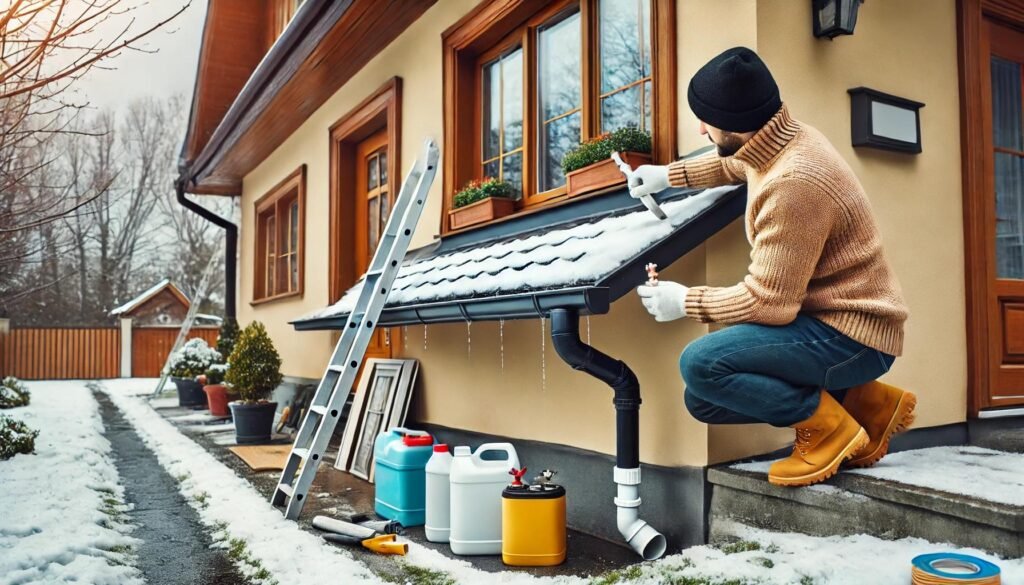
This one has the highest cost-per-mistake ratio on the list. Pipes typically freeze when temperatures stay below 20°F (-6°C) overnight. Water expands as it freezes, and inside a sealed pipe, that expansion has nowhere to go. The pipe splits. When it thaws, the water flows — often inside a wall before you notice it.
The average cost of burst pipe repairs runs $5,000–$15,000 once you factor in drywall, flooring, and any mould remediation. It’s also frequently denied by insurance if the cause is traced to a failure to winterise.
Winterising an outdoor hose bib takes about five minutes:
- Disconnect and drain any garden hoses — a connected hose traps water in the bib itself
- Find the indoor shutoff valve (usually under the sink closest to the exterior wall, or in the mechanical room near where the pipe exits)
- Turn off the indoor valve, then open the outdoor faucet to drain the remaining water
- Leave the outdoor faucet open slightly, or install an insulated faucet cover
If you have a sprinkler system, winterising it requires blowing out all the lines with compressed air. Skipping this one destroys the manifold, heads, and lines — typical replacement runs $500–$2,000 depending on system size. For more detail, the seasonal plumbing maintenance guide walks through both in full.
DIY or pro? Outdoor faucets: DIY, 5 minutes per bib. Sprinkler system blowout: hire an irrigation contractor. This is not a job for a home compressor — the volume of air required is specific and doing it wrong pushes debris into the wrong places.
Chimney and Fireplace — The Overlooked Fire Risk
Creosote is the residue that builds up inside a chimney flue from burning wood. It’s flammable. A chimney fire fed by built-up creosote burns at over 2,000°F and can spread to the surrounding structure before it’s even detected.
The NFPA recommends annual chimney inspection for any fireplace in use. Most homeowners do it less than that, and some never do it at all.
You can do a basic visual check yourself: shine a flashlight up the flue (with the damper open) and look for visible creosote buildup, obstructions like bird nests, or cracks in the flue lining. If the coating looks thick and dull black rather than shiny, or if you can see gaps in the liner, book an inspection before using the fireplace.
While you’re at it, check that the damper opens and closes fully and seals when closed. A damper that doesn’t seal properly loses significant heat all winter — even without a fire going.
While gas fireplaces don’t produce creosote, they still need annual inspection of the burner, gas connections, and venting.
DIY or pro? Visual inspection: you can do a basic check yourself. Actual cleaning and certified inspection: book a chimney sweep. Cost runs $100–$250 for inspection and cleaning, which is an exceptionally reasonable insurance premium against a structure fire.
A Word on Emergency Supplies
Worth five minutes of attention before winter sets in properly. Not a full project — just a box or a shelf in the garage.
At minimum: a few days of water (one gallon per person per day), non-perishable food, a battery-powered or hand-crank radio, flashlights, extra batteries, a basic first aid kit, and enough cash for small purchases if card systems are down.
If you’re in a region that gets serious snow: keep snow removal tools accessible, not buried in the back of the garage. An ice scraper in the house rather than the car is a minor thing that improves cold mornings meaningfully.
Carbon monoxide detectors deserve a mention here too. If you have gas appliances, a fireplace, or an attached garage, CO detectors on every level of the home are essential — not optional. Replace them every 5–7 years; the sensors degrade over time regardless of whether the alarm light is green.
DIY vs. Call a Pro — Quick Reference
| Task | DIY? | Pro Needed? | Rough Cost |
| Attic insulation (batts) | Yes | Optional | $500–$1,500 |
| Gutter cleaning (1 story) | Yes | Optional | $100–$250 |
| Sealing air leaks | Yes | Optional | $20–$100 in materials |
| Furnace filter replacement | Yes | No | $10–$30 |
| Furnace tune-up | No | Yes | $80–$150 |
| Outdoor faucet winterisation | Yes | No | $5–$15 per bib |
| Sprinkler system blowout | No | Yes | $75–$150 |
| Chimney inspection + cleaning | Partial | Yes | $100–$250 |
Frequently Asked Questions
When should I start winter prep on my home?
Start in early-to-mid October in most cold climates — before the first sustained freeze. Some tasks, like scheduling a furnace tune-up or chimney inspection, book up fast as the season approaches, so earlier is better. Outdoor plumbing winterisation should happen before temperatures drop below 20°F (-6°C) overnight.
What temperature do pipes freeze at?
Pipes are typically at risk when temperatures stay below 20°F (-6°C) overnight, especially pipes in exterior walls, unheated crawl spaces, or uninsulated areas. A single night doesn’t always cause damage — it’s the combination of low temperature and duration that matters.
How much does a chimney cleaning cost?
A standard chimney cleaning and inspection from a certified chimney sweep typically runs $100–$250. If significant creosote buildup is found or repairs to the flue are needed, costs can go higher.
How do I know if my attic has enough insulation?
Go up and check whether you can see the ceiling joists. If they’re visible or the insulation is flush with them, you’re under-insulated for cold climates. The target in cold regions is 12–14 inches of insulation depth, which corresponds to roughly R-38 to R-60 depending on insulation type.
What happens if I don’t winterise my sprinkler system?
Water left in the lines freezes, expands, and cracks the pipes, manifold, and sprinkler heads. Repairs typically run $500–$2,000, and in some cases the entire system needs to be replaced. A professional blowout typically costs $75–$150 — far better value.
What should I do to my house before winter?
The highest-priority tasks are: winterise outdoor faucets and sprinkler lines, service the furnace, inspect the chimney if you use a fireplace, check attic insulation depth, clean gutters after leaf fall, and seal any visible air leaks. After those, everything else is incremental improvement rather than emergency prevention.