Estimated reading time: 11 minutes
Most people spend a spring weekend deep-cleaning their kitchen and call it done. Meanwhile, the gutters are sagging, the sump pump hasn’t been tested since last March, and there’s a slow drip under the bathroom sink that’s been “fine” for three months.
A proper spring home maintenance checklist isn’t about cleaning — it’s about protecting the investment you’re probably making payments on. And unlike the 40-item monster lists that treat everything as equally urgent, this one tells you what actually matters, what you can handle in an afternoon, and what’s worth spending money on.
Do These Five Things Before Anything Else
Before you get into room-by-room tasks, some items genuinely deserve to go first — either because the consequences of skipping them are expensive, or because they take two minutes and people skip them anyway.
Test your smoke and carbon monoxide detectors. Press the button. Replace batteries if needed. If a detector is more than 10 years old, replace the unit entirely. This is a five-minute task that requires nothing but a fresh 9V battery.
Check your sump pump. Pour a bucket of water into the sump pit and watch it kick on. If it doesn’t respond, or if it runs but sounds laboured, that’s worth investigating before the first big spring rain floods your basement. This one gets skipped every year and is usually the thing people regret skipping.
Replace your HVAC air filter. If you haven’t done it since fall, it’s overdue. A clogged filter makes your system work harder, raises your energy bill, and reduces air quality. Takes about three minutes — check your filter size printed on the side of the current one, grab a replacement, and swap it out. Check our full guide on summer HVAC maintenance tips for a deeper look at keeping your system running efficiently.
Look for water stains. Walk your basement, crawl space, and any storage areas. Dark staining on concrete walls or musty smell near the perimeter usually means water intrusion during winter freeze-thaw cycles. Catching it early is cheap. Ignoring it leads to mould remediation bills.
Clean your dryer vent. Lint buildup inside the vent duct — not just the trap — is one of the leading causes of house fires. Disconnect the duct from the back of the dryer, use a long-handled brush or vacuum extension to clear it out, and check the exterior vent flap opens and closes freely. This is a DIY job that takes about 20 minutes.
Your Indoor Spring Maintenance Checklist
HVAC and Air Quality
Beyond the filter swap, spring is a good time to look at the bigger picture of your heating and cooling system. Check all the supply and return vents — pull the covers off and look for visible dust buildup, mould, or debris. A little dust is normal; dark staining or a musty smell from the vents is not.
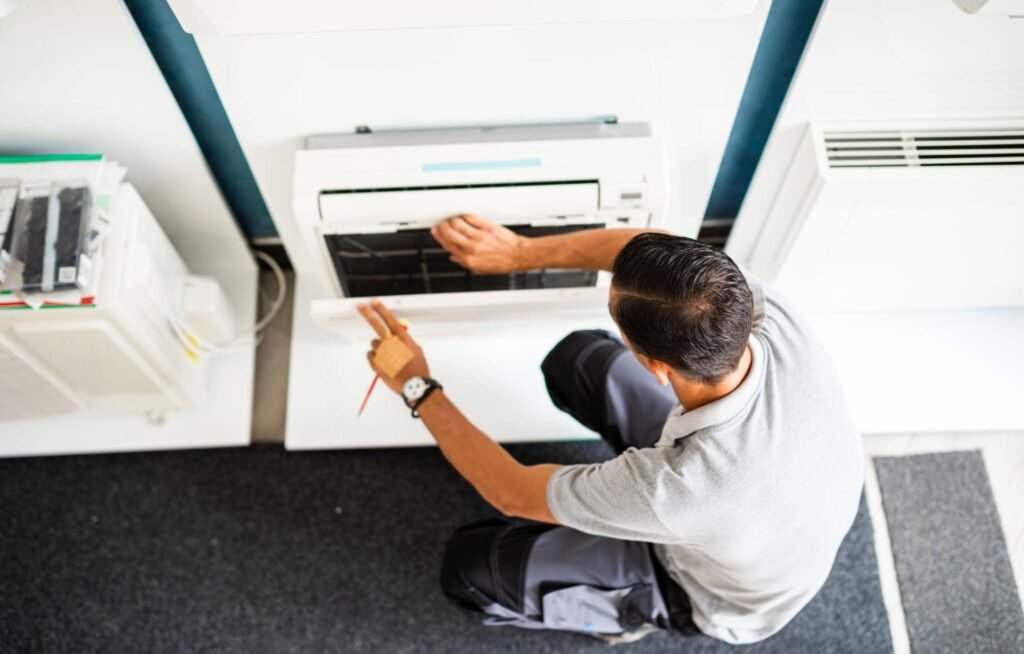
If your system is more than 10 years old or you’ve noticed it cycling more than usual, a professional HVAC service call ($80–$150 in most areas) is worth it before the summer heat arrives. They’ll clean the coils, check refrigerant levels, and flag anything that’s heading toward failure. You don’t have to do this every year, but skipping it for five straight years tends to catch up with you.
Don’t forget to reverse your ceiling fan direction if you haven’t. In summer mode, blades should spin counter-clockwise (when viewed from below), pushing air down and creating a cooling effect.
Plumbing
Walk your house and check under every sink — kitchen, bathrooms, utility room. Look for moisture, discolouration on the cabinet floor, or any sign of dripping. A slow drip under a bathroom vanity usually means a supply line connection that’s slightly loose. Tightening it costs nothing; ignoring it for another season often means replacing the cabinet floor.
Check your washing machine hoses. The braided stainless steel type can last a decade or more; rubber hoses should be replaced every five years as a general rule. Look for bulging, cracking, or discolouration near the fittings. Our seasonal plumbing maintenance tips guide covers this in more detail if you want to go further.
If you have a hose bib (outdoor tap) that was shut off for winter, reopen it slowly and check for leaks at the connection point. A frozen pipe that cracked internally over winter won’t announce itself until water’s flowing again.
Windows, Doors, and Insulation
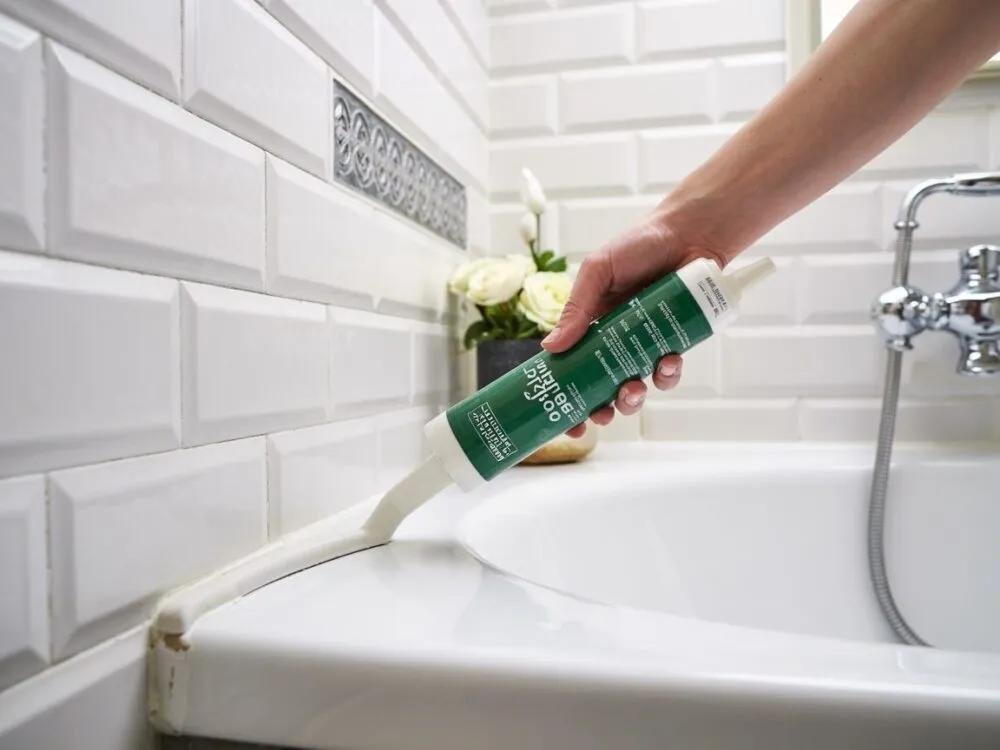
Run your finger along the caulking around window frames, both inside and out. Good caulking feels firm and adheres cleanly to both surfaces. Bad caulking has gaps, cracks, or sections that pull away from the frame. You don’t need to recaulk everything — just the gaps you can actually feel air or daylight through. A tube of paintable latex caulk costs about $5 and takes 20 minutes to apply.
Check weather stripping on exterior doors. Close each door and look for daylight around the edges. If you can see light, you’re losing conditioned air all summer. Replacement weather stripping is inexpensive and adhesive-backed versions take no tools to install.
Your Outdoor Spring Maintenance Checklist
Roof and Gutters
You don’t need to climb on the roof to do a basic inspection. From the ground with binoculars, look for shingles that are visibly lifted, curled at the edges, or missing entirely. Dark discolouration (black streaking) is usually algae — cosmetic but worth monitoring. If you see any shingles that look compressed or granule-free (they’ll look patchy and lighter in colour), that section of roof is aging and worth having a roofer assess. Our roof prep guide explains what warning signs actually look like in more detail.
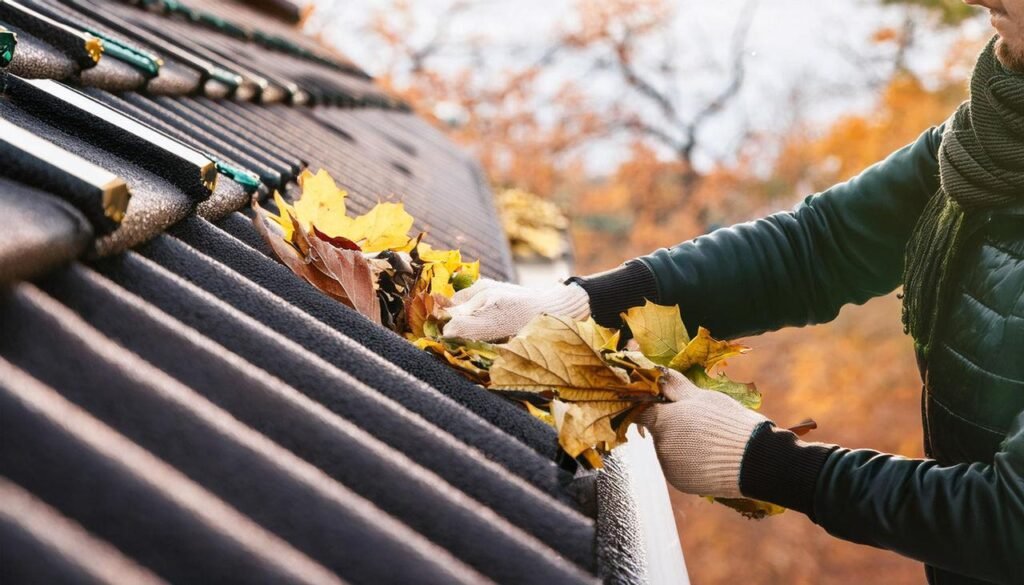
Gutters are something most homeowners can clean themselves. The job requires a stable ladder, gloves, and a bucket. Clear the debris out by hand, then flush with a garden hose to make sure water flows freely toward the downspouts. Gutters that look clean from the ground can still have standing water pooling near a sagging section — the water test catches that. Check that downspouts direct water at least three feet from the foundation. See our guide to the best gutter cleaning tools if you want to make the job easier. And if you’re getting up there safely, choosing the right ladder matters more than most people think.
Decks, Patios, and Driveways
Walk your deck and look for boards that flex underfoot more than they should, any visible rot at post bases (especially where wood meets soil or concrete), and rust-staining around screws or nail heads. Pressure washing a wood deck before resealing it makes a real difference — the sealant bonds much better to clean wood. We’ve reviewed the best pressure washers for homeowners if you’re shopping for one.
Concrete driveways and patios are worth a quick scan for cracks that have widened over winter. Hairline cracks are mostly cosmetic; anything wider than about a quarter-inch, or any crack with vertical displacement (one side higher than the other), deserves attention before water gets in and makes it worse.
Landscaping and Exterior
Trim any tree branches hanging over or touching the roofline. Branches rubbing on shingles wear them down over time, and overhanging limbs give squirrels and other pests a direct path to your roof and attic. Keep a good three to five feet of clearance if you can.
Check your irrigation system before turning it back on for the season. Run each zone briefly and watch for heads that aren’t rotating, spray patterns that are way off, or obvious wet spots that suggest an underground leak. Fixing a broken head is a $10 repair; ignoring it all summer wastes a surprising amount of water and money.
Inspect the siding, soffits, and trim while you’re walking the exterior. You’re looking for cracks in the paint or stain, sections of soffit that are loose or discoloured, and any gaps where the caulk around exterior fixtures or penetrations has failed. These gaps are where moisture enters and where insects find their way in. Our guide on how to prepare your home for storms gets into what exterior damage to prioritise.
Pest Prevention
Look for any new gaps, holes, or entry points around the foundation, utility penetrations, and roof edges. Mice can squeeze through a hole the size of a dime. Carpenter ants and termites both tend to become more active in spring. If you see small piles of sawdust-like material near wood structures, or mud tubes running along your foundation, call a pest control company — those are signs that require professional assessment. You can do general perimeter treatment yourself (granule or spray products from hardware stores work reasonably well for basic prevention), but an active termite infestation isn’t a DIY situation.
DIY vs. When to Call a Pro
Here’s a straightforward way to think about it:
Handle yourself: Air filter changes, smoke detector tests, caulk touch-ups, weather stripping, gutter cleaning (if you’re comfortable on a ladder), dryer vent cleaning, basic irrigation checks, surface-level deck inspection.
Consider hiring out: HVAC servicing (especially if the system’s older), roof inspection if you see actual damage, pest control if there are signs of an active infestation, any plumbing that involves cutting into walls or drain lines, chimney inspection if you used the fireplace regularly this winter.
Always call a pro: Electrical work, structural concerns, active mould remediation, foundation cracks with displacement, anything involving gas lines.
The honest truth is that most of the DIY list above takes one weekend and costs under $100 in supplies. The professional items — if you spread them out and don’t do all of them every single year — typically run a few hundred dollars total. That’s a reasonable annual investment compared to what deferred maintenance ends up costing.
If you want a framework for doing this throughout the year and not just in spring, our monthly home maintenance checklist breaks it down into manageable ongoing tasks. And for a look at what tends to go wrong when people skip the autumn version of this routine, winter home prep mistakes is worth a read.
Spring maintenance isn’t glamorous. But catching a $12 hose issue before it ruins your laundry room floor — or testing a sump pump before a rainstorm tests it for you — that part feels genuinely good.
Frequently Asked Questions
What month should I do spring home maintenance?
Late March through May is the typical window, depending on your climate. The goal is after the last hard freeze but before peak heat. In warmer states, you might start in February; in colder northern areas, April is more realistic. The timing matters most for outdoor tasks — interior items like air filter changes and dryer vent cleaning can happen any time.
How long does spring home maintenance take?
For most homes, the full checklist — done properly — takes about two weekends. The first weekend handles indoor tasks and safety checks. The second covers exterior work. Some items, like an HVAC tune-up, you schedule and wait for a technician. If you’re focused and organised, you can cover the high-priority items in a single day.
Can I do spring home maintenance myself?
Most of it, yes. Tasks like replacing filters, testing detectors, cleaning gutters, inspecting caulking, and flushing irrigation systems are all accessible without trade skills. The ones worth hiring out are those with safety implications (roofing, electrical, gas) or where a professional’s diagnostic tools genuinely add value (HVAC servicing, pest inspections).
What’s the most important spring home maintenance task?
If you’re forced to pick one, test your sump pump before heavy spring rains arrive. Basement flooding from a failed sump pump is one of the most common and expensive spring home disasters, and the test takes less than five minutes. Smoke detector checks are a close second — they cost nothing and the stakes are obvious.
How often should gutters be cleaned?
Twice a year is the standard recommendation — once in late spring after tree pollen and seeds have settled, and once in late autumn after the leaves fall. If you have large trees overhanging your roof, you might need to do it three times. Blocked gutters cause water to back up against the fascia and eventually into the roof structure, so it’s one of those tasks that earns its time investment.
Is spring a good time for pest control?
Yes — spring is one of the best times for preventive treatment because many insects become active as temperatures rise. Treating around your perimeter before ant or spider populations establish themselves is more effective than reacting later in the season. Termite inspections are particularly worth doing in spring, since swarmers (winged termites) typically emerge in spring and are often the first visible sign of a colony.