Estimated reading time: 9 minutes
Here’s something nobody says out loud: buying storage bins is genuinely confusing. You type “storage bins” into Amazon, get 4,000 results, spend 45 minutes reading reviews that all say the same thing, and end up panic-buying something that turns out to be slightly too wide for your shelf. Or it warps. Or the lid never quite closes properly.
The best storage bins for homeowners aren’t the ones with the most five-star reviews — they’re the ones that actually fit your space, suit your stuff, and hold up longer than six months. That’s what this guide is actually about.
One quick tip before anything else: measure your shelf before you read a single product recommendation. Seriously. Write the dimensions on your phone. It changes everything.
Before You Buy: Four Questions Worth Answering First
The best storage bin for a pantry is completely different from the best one for a garage. Getting this wrong is the reason most people end up with bins they don’t use.
What room is it for? This one decision narrows your options by about 80%. Different rooms have different demands — moisture, dust, weight, temperature — and the wrong material in the wrong room creates problems fast.
What are you actually storing? Heavy items (tools, canned goods, books) need rigid plastic with proper lids. Lightweight items (linens, clothing, toys) can go in fabric. If you’re not sure, lean plastic — it’s more forgiving.
Do you need a lid? For pantries and garages, yes — lids keep dust, pests, and moisture out. For bedroom closets or open shelving where you’re grabbing things regularly, lidless is often more practical.
Will these stack? If vertical space matters to you, stackability isn’t a nice-to-have — it’s the whole point. Not all bins advertised as “stackable” are stable once they’re loaded. Worth checking reviews specifically for that.
Plastic vs Fabric vs Wire: Which Type Is Actually Right for You?
This is the question most bin guides skip, and it’s the one that matters most.
Plastic bins are the workhorse. They hold their shape under weight, resist moisture, and handle temperature swings without cracking — particularly if they’re made from polypropylene rather than cheaper PVC-style plastics. They’re the right choice for pantries, garages, basements, and anywhere damp or dusty. The trade-off: clear plastic shows dust and fingerprints more than you’d expect. If that bothers you, plan to wipe them down occasionally.
Fabric bins look great on open shelving and closet systems. They’re lighter, usually cheaper, and collapse flat when you don’t need them — which is genuinely useful for seasonal storage. The honest downside: fabric bins aren’t designed for heavy loads. Overfill them and they lose their shape, lean sideways, or start to sag at the bottom. Non-woven fabric construction breathes better than polyester, which matters if you’re storing clothes or linens long-term. Keep the weight light and they’re excellent.
Wire bins and baskets are underrated for utility spaces — laundry rooms, mudrooms, bathroom cabinets. The open design means you can see everything inside without lifting a lid, and they don’t trap moisture. They’re not great for dusty environments (garages, attics) where things need to stay clean.
Best Storage Bins for Pantry Organisation
The pantry is where clear, stackable, rigid plastic wins every time. You want to see what’s inside without pulling everything off the shelf, and you need bins that stack reliably without wobbling.
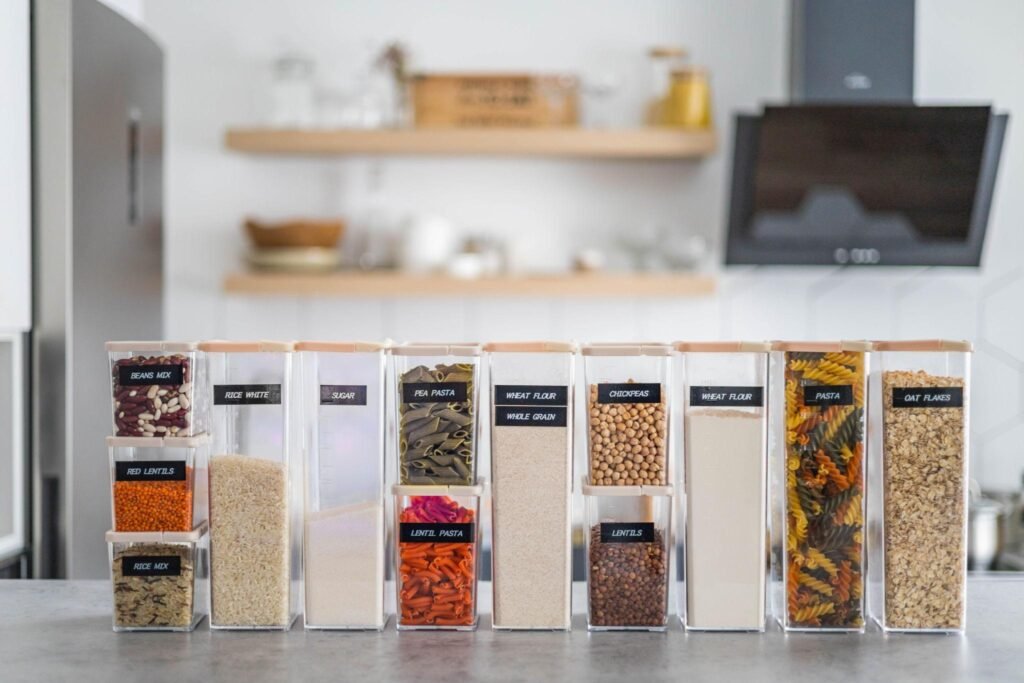
Top pick: Vtopmart Clear Stackable Bins
These are the ones worth knowing about. The key detail isn’t the clarity or the stackability — it’s the modular footprint. Most bins leave awkward gaps between them on a shelf because the dimensions don’t quite add up. These are designed so they sit flush against each other with no wasted space. On a deep pantry shelf, that actually makes a meaningful difference.
They’re also tested for humidity and freezer conditions, which matters more than people realise. Pantries can get surprisingly damp, and cheaper plastic warps or goes cloudy over time. These hold up.
Honest drawback: Clear bins show dust. If your pantry isn’t airtight, you’ll notice a film on the outside within a few weeks. A quick wipe solves it, but it’s something to know going in.
Approximate cost: $25–$45 for a starter set | Skill level: No assembly needed, just measure your shelf first
Looking to overhaul the whole pantry while you’re at it? Our DIY pantry organisation guide has a room-by-room approach that pairs well with these.
Best Storage Bins for Closets and Bedrooms
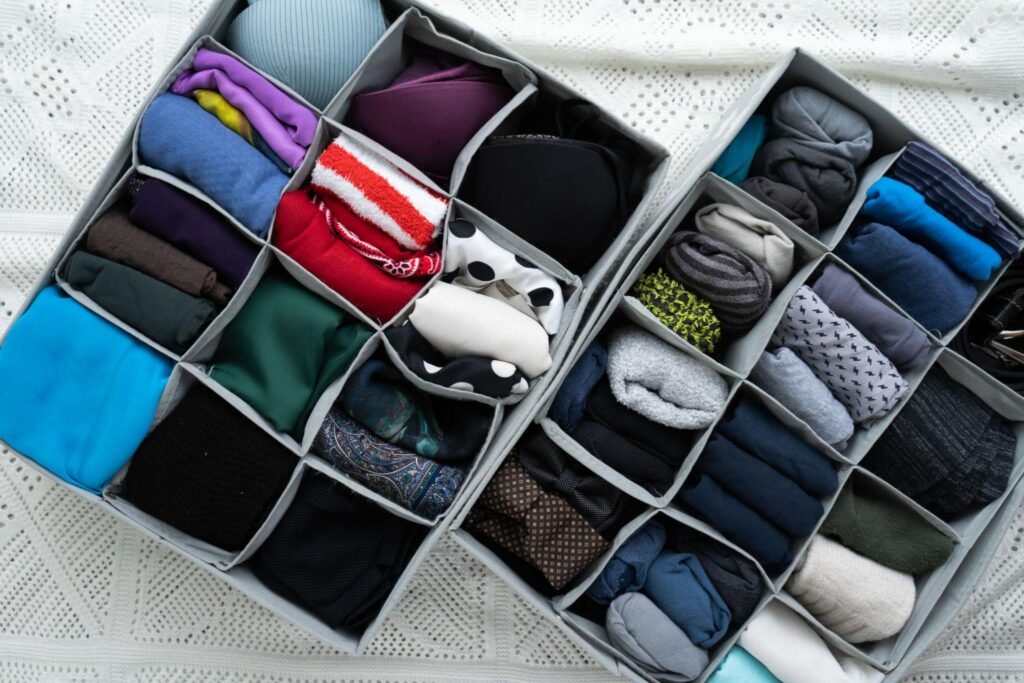
Closet storage is a different problem. The priority here is usually fitting a specific shelf depth, looking reasonably tidy, and being easy to pull out and put back without fuss. Weight is rarely the issue — clothing and linens are light.
Top pick: Univivi Fabric Foldable Storage Boxes (four-pack)
At 17×12×12 inches, these sit well on most standard wardrobe and closet shelving systems. The reinforced handles mean you can pull a full bin off a high shelf without the whole thing drooping toward you, which is a more common problem than you’d think with cheaper fabric bins. The removable lids are a nice touch — use them when you want things enclosed (seasonal items), leave them off when you’re regularly reaching in.
The collapsible design earns its place if you ever do seasonal rotation. A flat-folded fabric bin takes up almost no space.
Honest drawback: These are not for heavy items. Books, tools, or anything with real weight will cause the sides to bow outward and the base to sag. Stick to clothing, linens, light toys, and accessories. If you need to store heavier things in a closet, go back to plastic.
Approximate cost: $30–$50 for a four-pack | Skill level: No assembly, just fold out and place
If your closet situation is more chaotic than a few bins can fix, our guide to closet organisation mistakes homeowners make is a useful starting point before you buy anything.
Best Storage Bins for Garages and Utility Rooms
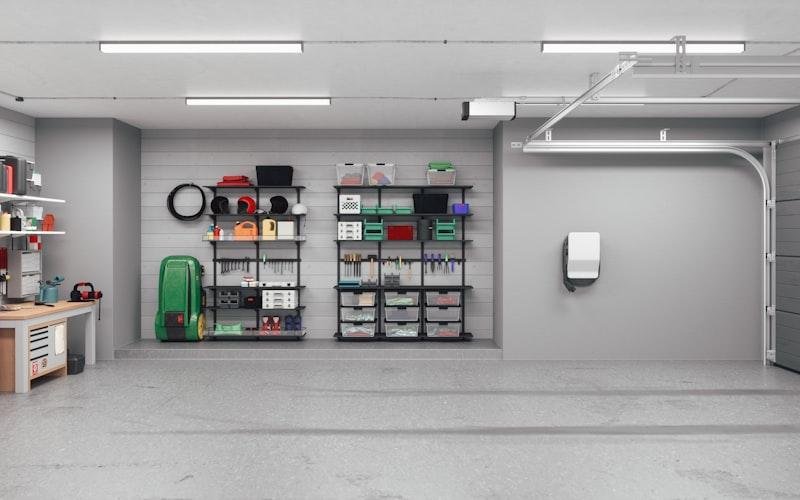
Garages are the hardest environment for storage bins. Temperature swings, dust, humidity, heavy loads, and the occasional knock from a car door — most bins aren’t built for this.
Top pick: Fordonral Large Capacity Storage Bins (pack of three)
These oversized fabric bins are better suited to the lighter end of garage storage — seasonal gear, sports equipment, camping accessories — rather than heavy tools or hardware. For the latter, you want heavy-duty rigid plastic with a proper latching lid.
For anything going in a garage long-term, prioritise:
- A secure lid. Open-top bins in a garage fill with dust, grit, and occasionally spiders within weeks.
- Rigid walls. Stacking is almost always necessary in a garage. Flimsy walls mean instability.
- Humidity resistance. Garages aren’t climate-controlled. Cheap plastic degrades faster than you’d expect.
Honest note: Never stack more than two or three heavy bins high without checking the manufacturer’s weight rating. Ceiling racks and shelving units help far more than taller stacks — see our garage organisation guide for how to set up the full system.
Approximate cost: Heavy-duty plastic garage bins typically run $15–$35 each | Skill level: No assembly
Quick Comparison: All Picks at a Glance
| Bin | Best Room | Material | Standout Feature | Honest Drawback |
| Vtopmart Clear Stackable | Pantry | Clear plastic | Modular footprint, no wasted shelf space | Shows dust — wipe regularly |
| Univivi Fabric Foldable (4-pack) | Closet / bedroom | Non-woven fabric | Collapses flat, reinforced handles | Not for heavy loads — sides bow |
| Fordonral Large Capacity (3-pack) | Bedroom / light garage | Foldable fabric | Oversized capacity, closet-shelf ready | Too soft for heavy garage items |
| Heavy-duty rigid plastic (various) | Garage / basement | Polypropylene | Lidded, stackable, moisture-resistant | Bulky — needs proper shelving |
What to Actually Look For (and What to Ignore)
A few things that matter more than they sound:
Handle quality. Pull a full bin off a high shelf once and you’ll understand why this matters. Stitched fabric handles on soft bins, moulded grip handles on plastic — both should feel solid, not flimsy.
Lid fit. A lid that doesn’t fully close is worse than no lid — it gives false confidence while still letting dust in. If reviews mention lid fit issues, take that seriously.
Stack stability under load. Some bins are marketed as stackable but shift and wobble the moment they’re carrying real weight. Look for reviews from people who’ve actually stacked them fully loaded.
Odour resistance. Cheap plastics can off-gas a smell that lingers, especially in enclosed spaces. It fades, but it takes time. Higher-quality polypropylene is less prone to this.
What you can mostly ignore: colour options, decorative patterns, anything described as “aesthetic” — that stuff is fine, but it has no bearing on whether the bin actually does its job.
If you’re going to label your bins (and you should — future you will appreciate it), our label maker guide covers the best options at every price point. And for stretching your storage budget further across the whole house, budget storage ideas homeowners love is worth a look before you spend more than you need to.
Frequently Asked Questions
Are clear or opaque storage bins better for a pantry?
Clear bins are generally better for pantries because you can see the contents without pulling everything out — which means you actually use what you have and don’t accidentally buy duplicates. The trade-off is that they show dust more than opaque bins. For garage or basement storage where aesthetics matter less, opaque bins with labels work just as well.
Do fabric storage bins hold their shape over time?
They hold their shape well for lightweight items — clothing, linens, light accessories. Overfill them or put anything genuinely heavy inside and the sides will start to bow and the base will soften. Non-woven fabric bins are more durable than polyester ones, but neither type is designed for loads over about 15–20 lbs. For anything heavier, use rigid plastic.
What size storage bin fits a standard pantry shelf?
Most standard pantry shelves are 12–16 inches deep and 24–36 inches wide. A bin around 11–13 inches deep, 7–9 inches wide, and 4–6 inches tall fits well on a 12-inch shelf without overhanging. That said, shelves vary more than you’d expect — measure yours before you order anything, and check the product dimensions against your actual space.
Are lids necessary on storage bins?
For pantries and garages, yes — lids keep out dust, pests, and moisture and are worth having. For open wardrobe shelving or bedroom storage where you’re regularly accessing items, lidless bins are often more practical because they’re easier to grab from. Some fabric bins come with removable lids, which gives you the flexibility to use or skip them depending on the situation.
Is it worth spending more on name-brand storage bins?
For basic fabric closet bins, not really — mid-range options perform just as well. For clear plastic pantry bins and heavy-duty garage bins, spending a little more on quality polypropylene construction is usually worth it. Cheaper plastics warp, discolour, and crack faster — especially in temperature-variable spaces like garages. You end up replacing them sooner, which costs more in the long run.