Estimated reading time: 10 minutes
You wake up with a scratchy throat. Your lips are cracked before you’ve even had your morning coffee. Your kid coughed through half the night again. And the skin on your hands feels like sandpaper even though you’re moisturising daily.
Sound familiar? That’s dry indoor air doing its thing — and it’s more common than people realise, especially during winter when heating systems strip moisture from the air without mercy.
A cool mist humidifier is often the solution people land on. But there’s a lot of noise around which type to buy, how to use one safely, and whether it’s actually going to make any difference. So here’s the honest version — no product fluff, no vague wellness claims — just what these devices actually do and whether one belongs in your home.
What Is a Cool Mist Humidifier, Exactly?
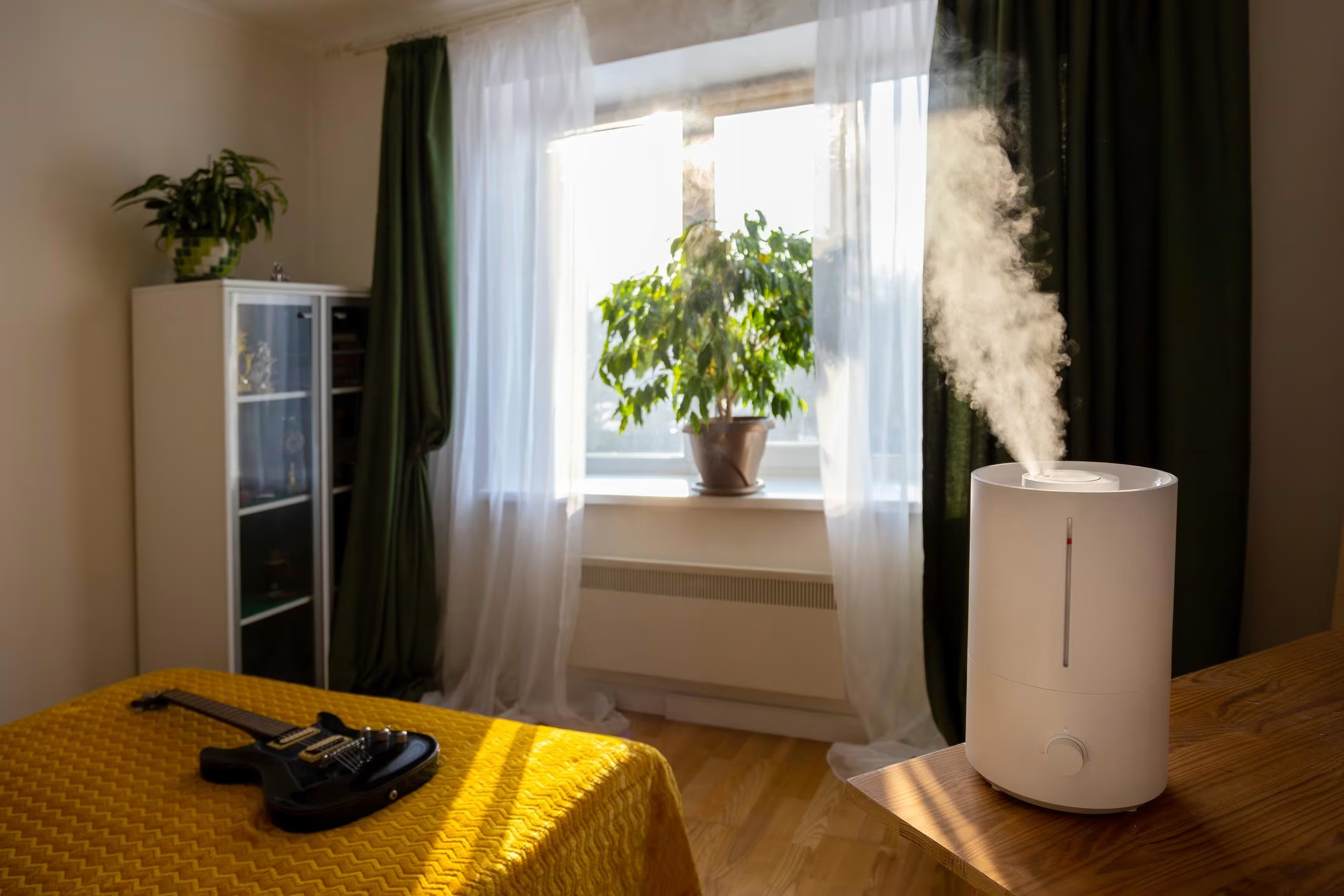
A cool mist humidifier adds moisture to the air by releasing a fine, room-temperature mist — without ever heating the water. That’s the key distinction. Unlike warm mist models (also called steam vaporisers), cool mist units don’t boil anything. They push water vapour into the air through either ultrasonic vibrations or a fan-driven evaporation process.
The result is a gradual, steady increase in your room’s humidity level — which is exactly what dry indoor air is missing.
The Real Benefits of a Cool Mist Humidifier
Let’s go through what these devices actually help with — and more importantly, why it matters.
It Sorts Out Dry Skin and Sinus Misery

Low humidity is brutal on your body. Dry air pulls moisture from your skin, dries out your nasal passages, and leaves your throat feeling raw. Most people assume this is just winter being winter — but a lot of it comes down to indoor humidity dropping below 30%, which happens constantly once you turn the heating on.
Running a cool mist humidifier in your bedroom or living space brings that back up to a comfortable range. The difference is noticeable within a few days. Skin stops feeling tight. You stop waking up with a stuffy or raw nose. It’s not magic — it’s just your home’s air no longer actively dehydrating you.
Better Sleep, Particularly Through Winter

Dry air is one of the quieter causes of broken sleep. When your nasal passages dry out overnight, you snore more, wake up with throat irritation, or find yourself breathing through your mouth. None of that is restful.
A humidifier in the bedroom — especially an ultrasonic model, which runs almost silently — keeps the air moist enough that your airways stay comfortable through the night. Parents who run one in a young child’s room often notice an improvement in their child’s sleep quality fairly quickly, particularly during cold and flu season.
Breathing Easier If You Have Asthma or Allergies

Dry air can aggravate airways that are already sensitive. For people with asthma, low humidity can make breathing feel more effortful and trigger irritation. Allergies can also flare in very dry conditions because dry nasal passages can’t filter irritants as effectively.
A cool mist humidifier helps keep humidity in the optimal range — generally 40–60% relative humidity, according to EPA guidelines — which supports better respiratory comfort. It’s not a treatment or a replacement for any medication, but as a supportive measure, properly maintained humidity genuinely helps.
It’s Safer Around Kids and Pets
This is where cool mist wins clearly over warm mist. A steam vaporiser has to heat water to boiling point to produce its mist — which means there’s hot water and steam inside a device that a curious toddler or a wandering cat could easily knock over.
Cool mist humidifiers don’t heat anything. The mist they release is room temperature. If your child knocks one off a table (and they will), the worst-case scenario is a spill — not a burn. For families with young children or pets, this isn’t a minor consideration.
Less Static Electricity and Protection for Your Home
This one surprises people. When indoor air drops below around 30% humidity, you get static buildup — the kind that shocks you when you touch a door handle, sticks clothes together, and can actually affect sensitive electronics over time.
Moist air conducts and disperses static charge far more effectively. Run a humidifier regularly and you’ll notice fewer static shocks and less that lovely experience of your jumper conducting electricity.
Dry air also causes real, cumulative damage to wooden furniture, hardwood floors, and houseplants. Wood dries out and cracks. Plants struggle. Keeping humidity in a reasonable range slows all of that down.
Ultrasonic vs Evaporative: Which One Should You Get?
This is where most buyers get confused, and most articles rush past it. Here’s the practical breakdown.
Ultrasonic humidifiers use a small vibrating plate to break water into a fine mist that disperses into the room. They’re very quiet (good for bedrooms), energy-efficient, and compact. The catch? If you use tap water, the minerals in it get released into the air too — and settle on surfaces as a fine white dust. It’s harmless, but it’s annoying to wipe off everything weekly.
The fix is simple: use distilled or filtered water, and you won’t see it at all.
Evaporative humidifiers use a fan to pull air through a wet wick filter, which causes water to evaporate naturally into the room. They’re self-regulating in a useful way — they naturally add less moisture as the room reaches a comfortable humidity level, which reduces the risk of over-humidifying. They’re better for larger rooms. The trade-off is a bit more noise from the fan, and the wick filter needs replacing every couple of months.
| Feature | Ultrasonic | Evaporative |
| Noise level | Very quiet | Moderate (fan noise) |
| Best room size | Small to medium | Medium to large |
| White dust risk | Yes (use distilled water) | No |
| Filter needed | No (some models) | Yes — replace regularly |
| Energy use | Low | Slightly higher |
| Self-regulating | No | Yes |
| Cost | Lower upfront | Slightly higher |
Neither type is definitively better — it depends on your space, your sensitivity to noise, and how much maintenance you want to take on. For a bedroom or baby room where quiet matters most, ultrasonic is usually the pick. For a larger living area, evaporative tends to perform better.
(For a deeper look at these two options, see our full comparison of ultrasonic vs evaporative humidifiers.)
The Stuff No One Tells You: What Can Go Wrong
Here’s the part most articles skip — and it’s important.
You Can Over-Humidify
More isn’t better. Humidity above 60% creates conditions that mould and dust mites love. That’s a real problem, especially in bedrooms. The goal isn’t maximum moisture — it’s the right amount. The sweet spot is 40–60% relative humidity, and the only way to know where you’re sitting is to measure it.
Pick up an inexpensive hygrometer (they cost around £10–15 and sit on a bedside table). Check your humidity before you assume you need to run the humidifier at full output all day. You might already be closer to optimal than you think — particularly in bathrooms or kitchens where moisture levels are naturally higher.
(More detail on this in our guide to ideal indoor humidity levels.)
White Dust on Your Furniture (Ultrasonic Models)
After about two weeks with an ultrasonic humidifier running on tap water, you’ll start noticing a faint white powder on surfaces near the unit. This is mineral residue — calcium and magnesium from hard water, released into the air with the mist and settling on whatever’s nearby.
It’s not harmful, but it is persistent. Switch to distilled water and it stops immediately. This is worth knowing before you assume something’s wrong with the unit.
Bacteria and Mould in the Tank
A humidifier that isn’t cleaned regularly can become a breeding ground for bacteria and mould, which then gets dispersed through the mist into the air you’re breathing. This is the one real risk of these devices — and it’s entirely avoidable with consistent cleaning.
Keeping It Clean: A Simple Routine That Actually Works
This doesn’t need to be complicated. Here’s what to do:
- Every day: Empty the tank and refill with fresh water. Don’t let water sit.
- Every 3 days: Rinse the tank with a white vinegar solution (equal parts water and vinegar) to prevent mineral buildup. Let it sit for 20–30 minutes, then rinse thoroughly.
- Weekly: Disinfect with a diluted bleach solution (1 teaspoon of bleach per gallon of water). Rinse very well before reassembling.
- Every 1–2 months (evaporative models): Replace the wick filter. A clogged or mouldy filter reduces effectiveness and can introduce bacteria.
- When not in use: Dry the tank completely before storage. A damp tank left in a cupboard grows mould quickly.
That’s it. Fifteen minutes a week keeps the unit running cleanly. Skip this and you’re eventually humidifying your room with mildew — which defeats the point entirely.
(A full step-by-step cleaning routine is covered in our how to clean a cool mist humidifier guide.)
Is a Cool Mist Humidifier Worth It for Your Home?
It depends on your situation, honestly. If you live somewhere with genuinely dry air — a dry climate, or a home that’s heavily heated in winter — a cool mist humidifier is one of the more effective and affordable comfort improvements you can make. The difference in how you sleep, breathe, and feel is real.
If you already live somewhere humid, or your home naturally sits above 50% humidity year-round, you probably don’t need one. Check with a hygrometer first.
For families with babies or young children, the safety argument alone makes cool mist the obvious choice over warm mist. And for anyone dealing with dry sinuses, persistent coughs, or flaky winter skin, it’s worth trying before you attribute those symptoms entirely to the season.
Frequently Asked Questions
Is a cool mist humidifier safer than a warm mist humidifier?
Yes, for most households — especially those with children or pets. Cool mist units don’t heat water, so there’s no risk of burns or scalds. A knocked-over cool mist humidifier is a spill; a knocked-over steam vaporiser is a potential injury.
Do I need to use distilled water in a cool mist humidifier?
It’s not strictly required, but it’s strongly recommended for ultrasonic models. Tap water contains minerals that get released into the air as white dust and coat nearby surfaces. Distilled water eliminates this. For evaporative models, it’s less of an issue because the wick filter traps most minerals.
Do cool mist humidifiers actually help with dry skin?
Yes, particularly if your indoor humidity is low. Dry air pulls moisture from your skin continuously. Raising the humidity to 40–50% gives your skin’s natural moisture barrier a chance to function properly. Most people notice softer skin and less facial dryness within a week or two of consistent use.
How often should I clean my cool mist humidifier?
Rinse the tank daily, do a vinegar clean every three days, and disinfect weekly. Evaporative filters should be replaced every one to two months. Skipping cleaning is the main way these devices become counterproductive.
What humidity level should I aim for?
The EPA recommends keeping indoor relative humidity between 40% and 60%. Below 40% and you’ll start noticing dry air symptoms. Above 60% and you’re creating conditions that encourage mould growth and dust mites. A simple hygrometer lets you track this accurately — they’re widely available and inexpensive.
Can I use a cool mist humidifier in a baby’s room?
Yes, and many paediatricians suggest it for infants dealing with congestion or dry air discomfort. Use distilled water, clean it consistently, and keep the unit out of reach. For baby rooms especially, check out our guide to the best humidifiers for baby rooms.