Estimated reading time: 10 minutes
Two kids. One small bedroom. You already know where this is going.
The floor is split down the middle with an invisible line neither of them respects. There’s a pile of toys on the one bed being used as a trampoline and a second bed nobody actually sleeps in. The room feels smaller every month, and you’re starting to wonder if knocking down a wall is actually on the table.
It’s not. But a bunk bed might be.
Not because bunk beds are some magical fix — they’re not — but because they solve the actual problem most shared kids’ rooms have: too much furniture, not enough floor, and two kids who need their own defined space without needing two separate rooms to get it.
Before you buy, though, there’s real information worth knowing. Safety standards, age guidelines, mattress restrictions, honest trade-offs. Most articles skip the nuance. This one won’t.
Why Bunk Beds Work So Well for Shared Bedrooms
The most obvious thing a bunk bed does is free up floor space. Stack two sleeping surfaces vertically and you suddenly have room for a proper play area, a desk, a wardrobe — things that make a kids’ room actually function instead of just store sleeping bodies.
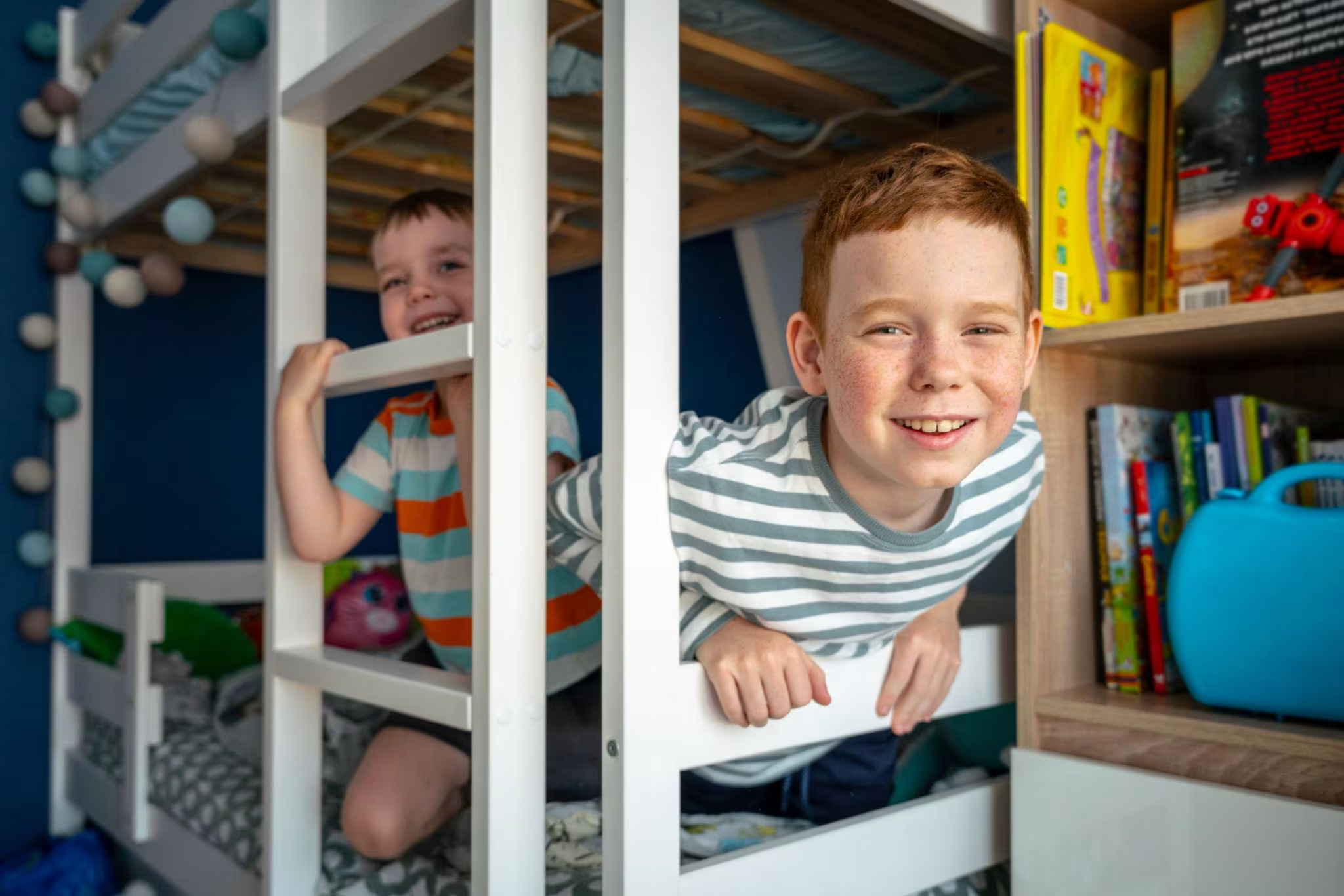
But the less obvious thing? It gives each child their own territory in a way that two beds side by side never quite manages. The top bunk feels like a treehouse. The bottom bunk feels like a den. Kids claim these spaces with a seriousness that’s almost funny, and that ownership matters — especially for siblings who share everything else.
There’s also a financial logic to it that adds up over time. One frame, two beds, years of use. A quality bunk bed that separates into two twin beds when they’re older covers most of a decade of sleeping arrangements without needing to be replaced.
The Real Benefits Beyond Just Saving Space
Space is the headline, but it’s not the whole story.
Sibling bonding happens in the dark. The nighttime chats that happen between kids in bunk beds — whispering about whatever happened at school, telling bad jokes, trying not to laugh loud enough to wake parents — those are genuinely formative. It sounds small. It isn’t.
Sleepovers become easy. With a bunk bed already in the room, hosting a friend requires zero setup. The extra sleeping surface is just there. Kids who love sleepovers love this.
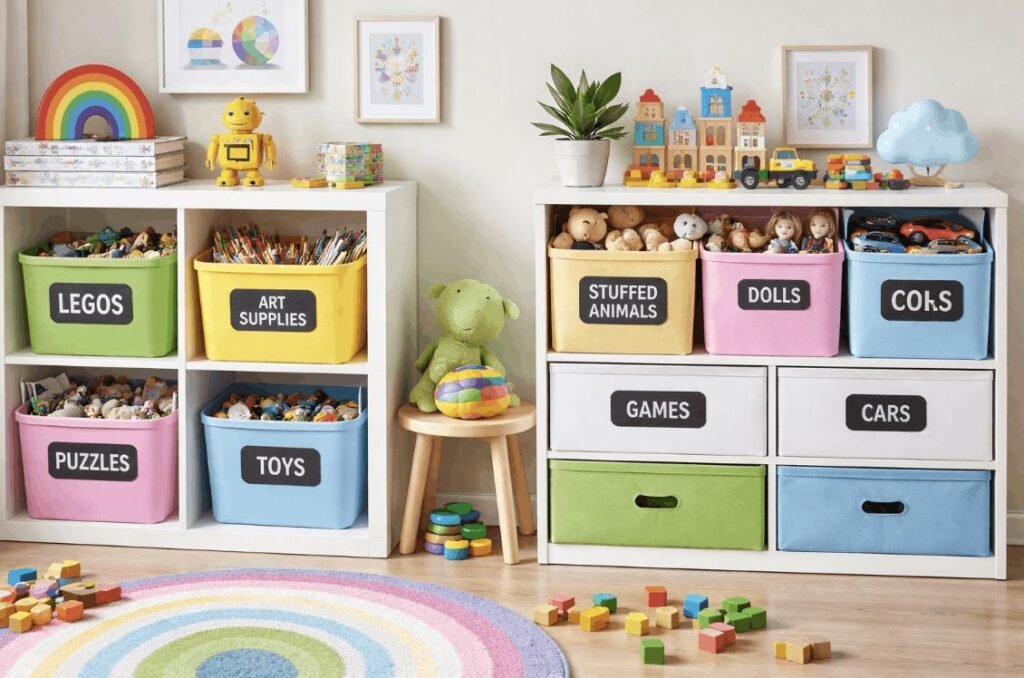
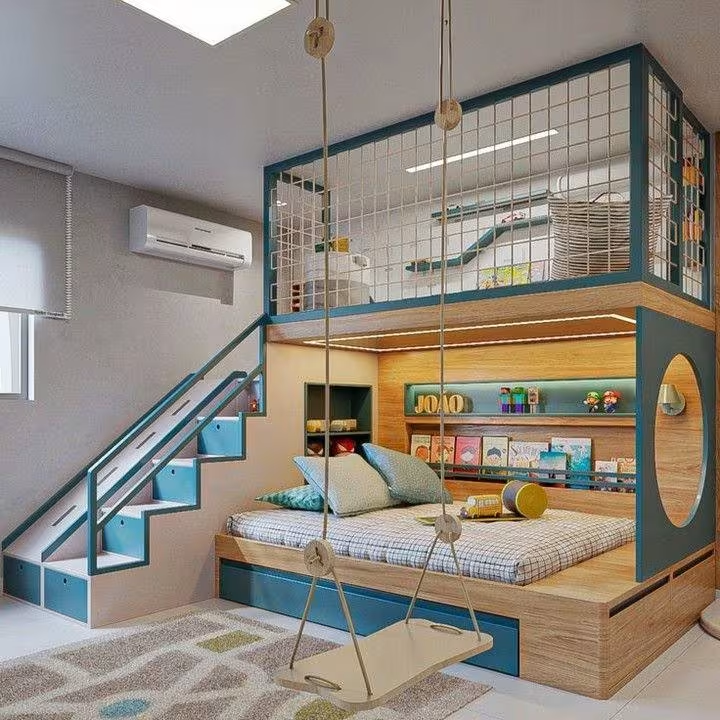
Built-in storage changes everything. Many bunk bed designs include drawers underneath, shelves on the frame, or a trundle for a third sleeping surface. For a small room, this kind of integrated storage is worth real money compared to buying separate furniture to solve the same problem. If you’re already thinking about ways to keep a shared kids’ room organised, a bunk bed with built-in storage does a lot of that work automatically.
Convertibility is the sleeper benefit (no pun intended). Most solid bunk beds can be separated into two standalone twin beds when the kids are older or if circumstances change. You’re not buying something that becomes useless in five years — you’re buying furniture with a second life built in.
Safety First: What You Actually Need to Know
This is the section most parents want to read first, so here it is.
Bunk beds sold in the United States are required to meet CPSC (Consumer Product Safety Commission) and ASTM International safety standards. When buying new, look for confirmation that the bed meets these standards — it should be stated clearly in the product description or documentation.
Here’s what those standards actually require:
- Guardrails on all sides of the top bunk, not just one. The rails must extend at least 5 inches above the mattress surface. This is non-negotiable for safety.
- Guardrail openings must be small enough that a child’s body can’t become entrapped. The gap at the end of the bed (where you get in and out) should be no wider than 15 inches.
- The ladder must be secure and fixed — not wobbly, not removable during use. Angled ladders are generally easier for younger kids to climb than vertical ones.
- The frame must be structurally solid. Check for weight limits and take them seriously. Most standard bunk beds support 200–250 lbs per bunk, though heavy-duty versions hold more.
One detail almost nobody mentions: mattress thickness matters for safety. On the top bunk, a mattress that’s too thick will reduce the effective height of the guardrail — potentially to a dangerous degree. As a general rule, top bunk mattresses should be no more than 6 inches thick. A standard 10-inch mattress on the top bunk can bring the guardrail edge dangerously close to the mattress surface. Before buying a mattress, check how bunk bed mattresses differ from standard twin mattresses — it’s a genuinely important distinction most parents don’t discover until they’ve already bought the wrong thing.
What Age Is Right for the Top Bunk?
The CPSC recommendation is clear: children under 6 years old should not sleep on the top bunk. This isn’t overly cautious — it’s based on developmental reality. Kids under 6 don’t have the coordination or consistent judgement to safely climb down a ladder in the middle of the night, especially when half-asleep.
This becomes a real consideration when siblings have a significant age gap.
A 9-year-old and a 4-year-old sharing a bunk bed is a different situation than two 7-year-olds. In the first scenario, the younger child should be on the bottom bunk until they’re at least 6 — ideally older — and you need to be realistic about whether they’ll stay there. Kids who move around a lot at night, climb frequently, or have night terrors that send them wandering in the dark aren’t good candidates for top bunk sleeping regardless of age.
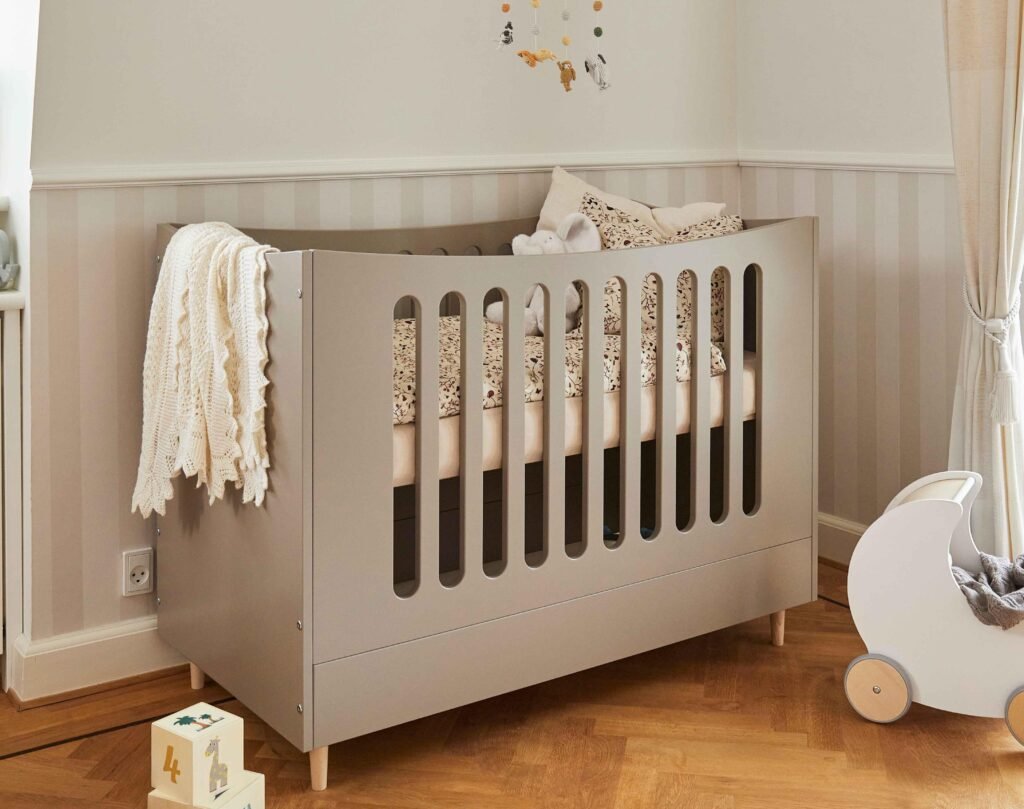
For families where the youngest is still in a toddler bed, it’s worth knowing what a toddler bed actually is and when children typically move on from one — the transition sequence matters when you’re planning a room that needs to work for multiple years.
Bunk Bed Styles Worth Knowing About
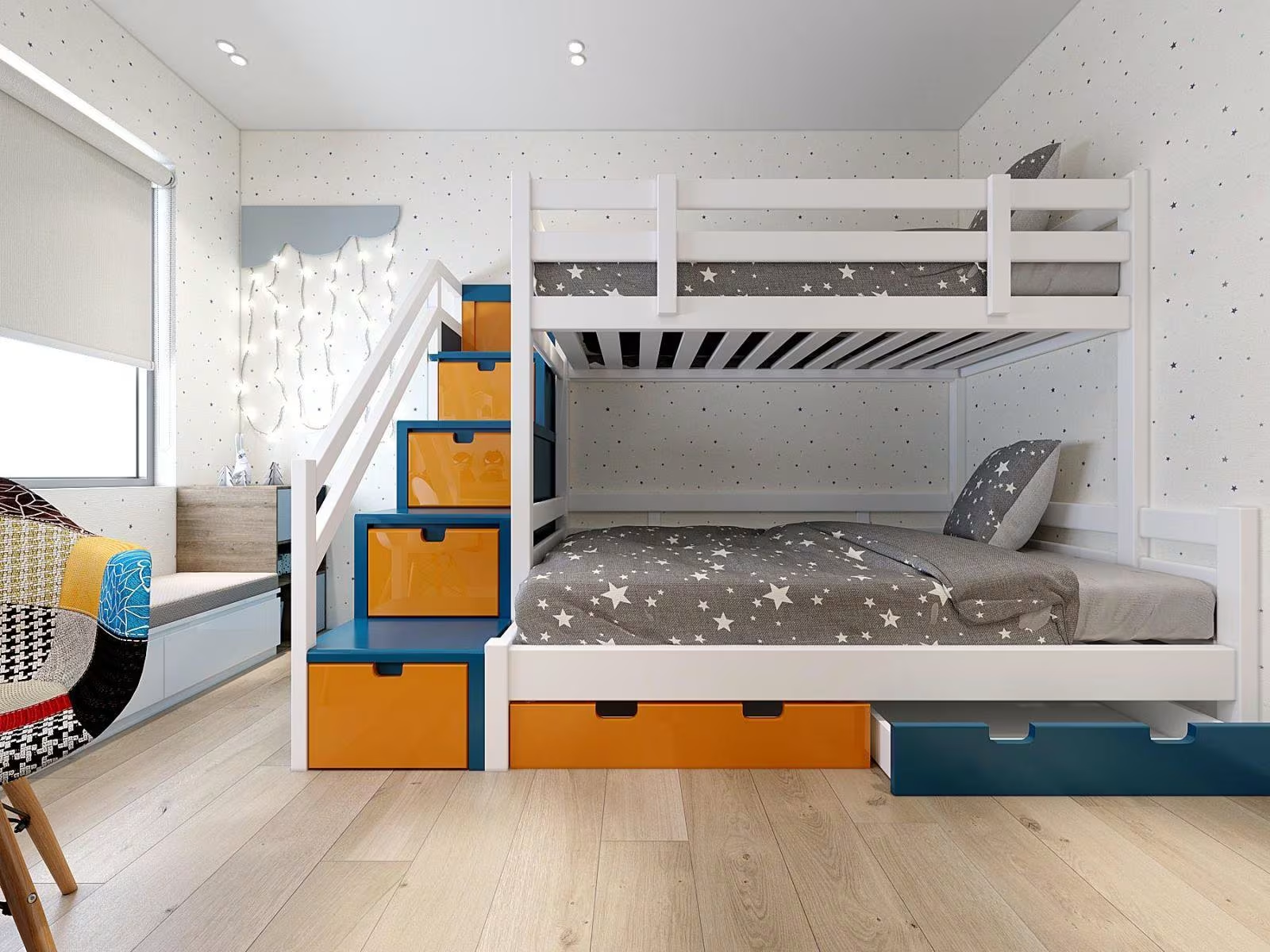
Not all bunk beds are the same, and some designs suit certain families much better than others.
Standard twin-over-twin is the classic. Two identical sleeping surfaces stacked. Clean, simple, separates easily into two twins later. Works for most sibling scenarios.
Twin-over-full gives the bottom bunk more space — ideal if one child is older or larger, or if you want the bottom to double as a guest bed. The trade-off is the frame is bulkier and harder to separate.
L-shaped bunk beds position the top bunk perpendicular to the bottom, which creates a natural alcove underneath that feels more like a private space. These work particularly well in corner arrangements and often include a desk or storage in the lower section.
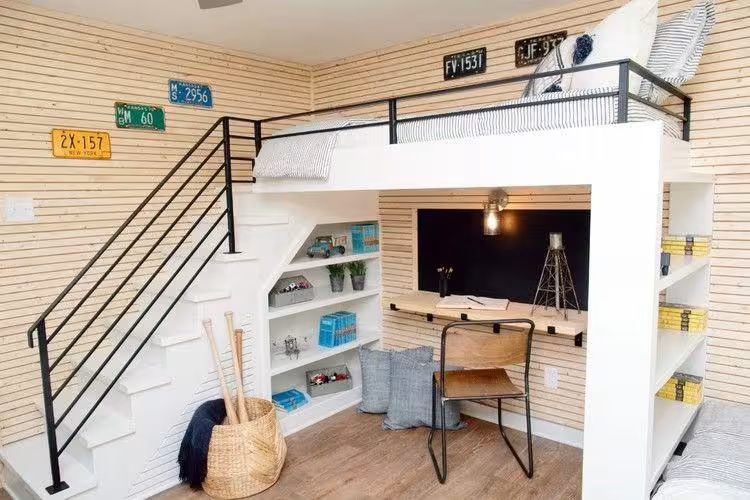
Loft beds are technically a bunk bed with no lower bunk — just a raised sleeping surface with usable space underneath. A desk, a play area, a reading nook. If you have one child and want maximum room function, comparing a loft bed to a standard bunk bed is worth doing before you decide — they solve different problems.
Storage bunks have drawers built into the stairs or underneath the lower bunk. For rooms without a separate wardrobe or chest of drawers, this kind of built-in storage changes the whole room layout.
The Honest Trade-Offs Nobody Mentions
Bunk beds are genuinely great. They’re also genuinely imperfect, and knowing the downsides before you buy saves frustration later.
Making the top bunk is a hassle. Not impossible, but it requires either climbing up yourself or training your child to do it — and the latter takes a while. Fitted sheets with deep pockets help significantly.
Bedtime routines get harder before they get easier. Two kids in one room is already a social situation. Put them in bunk beds and add the novelty factor and you’ve got an invitation for extended conversations, giggling, and creative delay tactics. This calms down after a few weeks. It’s real, though.
The novelty phase is real. For the first couple of months, the top bunk is practically sacred. After that it’s just where they sleep. This is fine — that’s the point — but if you’re buying a bunk bed primarily because your child is desperate for one right now, know that the desperation is temporary and the bed will stay.
Some kids go through phases of hating it. A child who has a bad dream and wants to get down quickly, or one who’s going through an anxious period, may resist the top bunk entirely for a stretch. Plan for this. It passes, but it’s worth anticipating.
Not every room layout suits a bunk bed. Before buying, measure carefully. You need enough ceiling height (at least a foot of clearance between the top mattress and the ceiling) and enough wall space for the ladder. For inspiration on making a shared kids’ room actually work, these kids room decorating ideas are a good starting point for layout thinking.
A Quick Pre-Purchase Checklist
Before you pull the trigger, run through these:
- Does the bed meet current CPSC and ASTM standards? (Check the product listing.)
- Is the youngest child 6 or older — or will they be sleeping on the bottom only?
- What mattress thickness is safe for the top bunk on this specific frame?
- Is there adequate ceiling clearance? (Top mattress surface to ceiling should be at least 12 inches, ideally more.)
- Can the bed separate into two twins later if needed?
- Is the ladder angled or vertical? Angled is significantly easier for younger kids.
- What’s the weight limit per bunk, and does it account for future growth?
Frequently Asked Questions
What age can a child sleep on the top bunk?
The CPSC recommends age 6 as the minimum for the top bunk. This is based on the physical coordination and judgement required to safely climb a ladder at night. For children between 6 and 8, parental judgement matters — a confident, coordinated 6-year-old is different from an anxious or restless one.
Are bunk beds safe for kids?
Yes, when used correctly. Bunk beds that meet CPSC and ASTM standards, with proper guardrails, a secure ladder, and an appropriately thin mattress on the top bunk, are safe for children over 6. The most common causes of bunk bed injuries are improper use (jumping, rough play on the top bunk) rather than structural failure of a properly built bed.
Can bunk beds be separated into two regular beds?
Most standard bunk beds can be separated into two twin beds. Check the product specifications before buying — this feature is worth confirming, especially if you expect the kids to eventually want their own rooms.
What size mattress does a bunk bed use?
Most bunk beds use twin (single) mattresses. Twin-over-full designs use a twin on top and a full (double) on the bottom. Importantly, the top bunk mattress should typically be no more than 6 inches thick to maintain safe guardrail height.
How much weight can a bunk bed hold?
Most standard bunk beds have a per-bunk weight limit of 200–250 lbs. Heavy-duty models go higher. Always check the specific weight limit for any bed you’re considering, particularly if the children are older or larger.
Is a loft bed better than a bunk bed for one child?
For a single child, a loft bed often makes more sense — it provides all the elevated sleeping benefits with usable space underneath for a desk, play area, or reading nook. For two children sharing a room, a standard bunk bed is more practical. This comparison of loft beds vs bunk beds breaks down exactly when each makes sense.
How do I keep a shared kids’ bedroom organised with a bunk bed?
Choose a bunk bed with built-in storage where possible. Beyond that, wall-mounted shelves, under-bed storage, and clearly defined zones for each child’s belongings go a long way. There are some genuinely clever kids room organising hacks worth looking at once the bed is in place.