Estimated reading time: 9 minutes
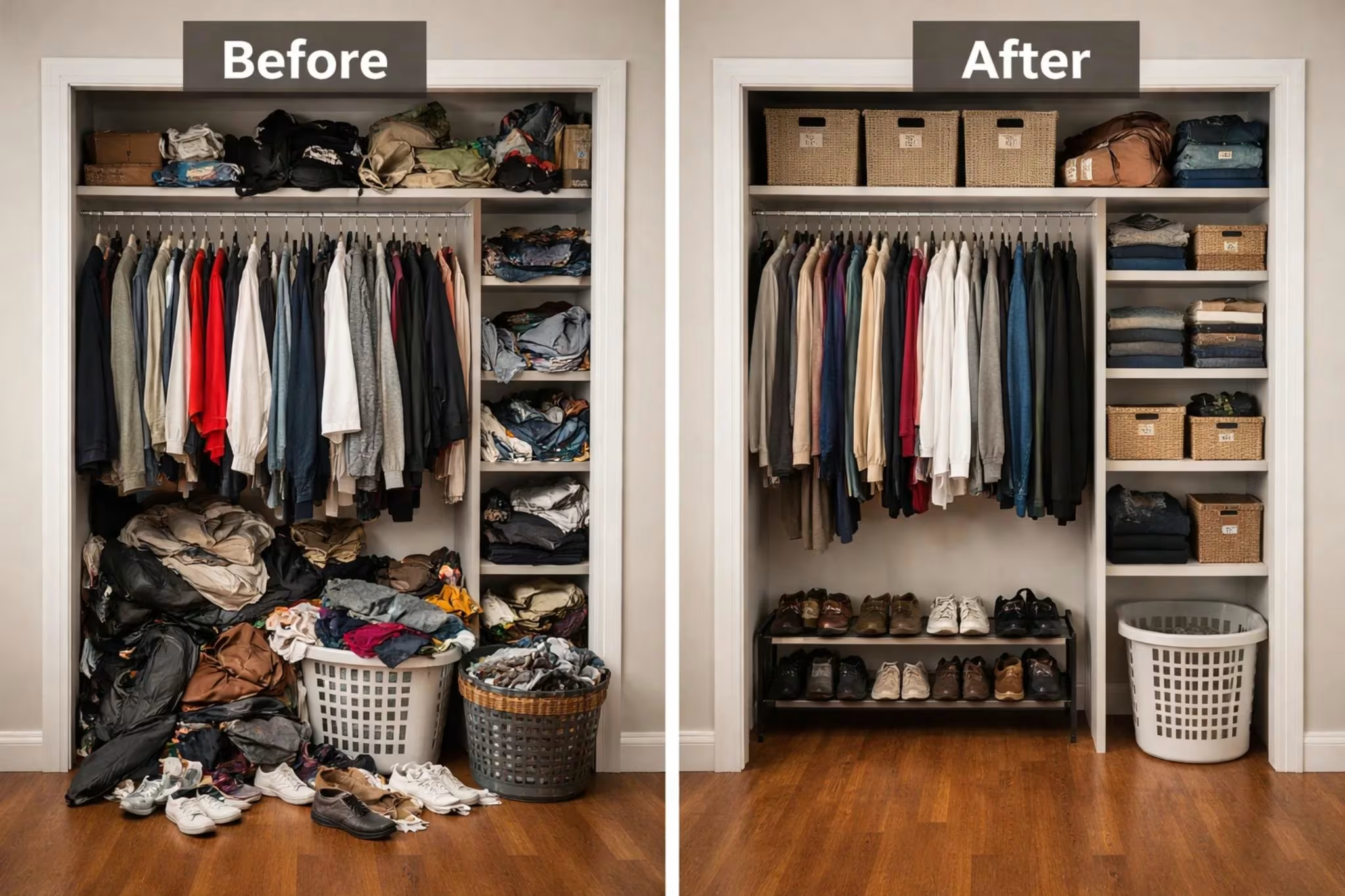
You open your closet. Something falls on your head. You dig through a pile looking for that one shirt, can’t find it, and leave for work slightly annoyed with your whole life.
Sound familiar?
A small closet isn’t a design flaw you have to live with forever. It’s a puzzle — and once you figure out the right moves, the chaos actually stops. These small closet storage ideas for clothes are ranked by impact, not alphabetically or randomly like most lists. Start at the top and work your way down.
Start Here Before You Buy Anything
Seriously. Before you spend a single dollar on bins, organizers, or a modular shelving system — edit what you own.
Pull everything out. Every item. Yes, even the jacket from 2019 you’re “definitely going to wear again.” Donate what you haven’t touched in a year. If your closet is genuinely tiny, you can’t organize your way out of too much stuff. You can only reduce and then organize.
The rule that actually helps: if it doesn’t fit your body right now, your lifestyle right now, or your life right now — it goes. Off-season pieces get stored elsewhere (more on that below). What stays in the closet should only be what you actually reach for.
This step alone — even without buying anything — tends to immediately open up 20–30% more space.
Swap Your Hangers. Seriously, Do This First.
This is the most underrated small closet hack and almost nobody leads with it.
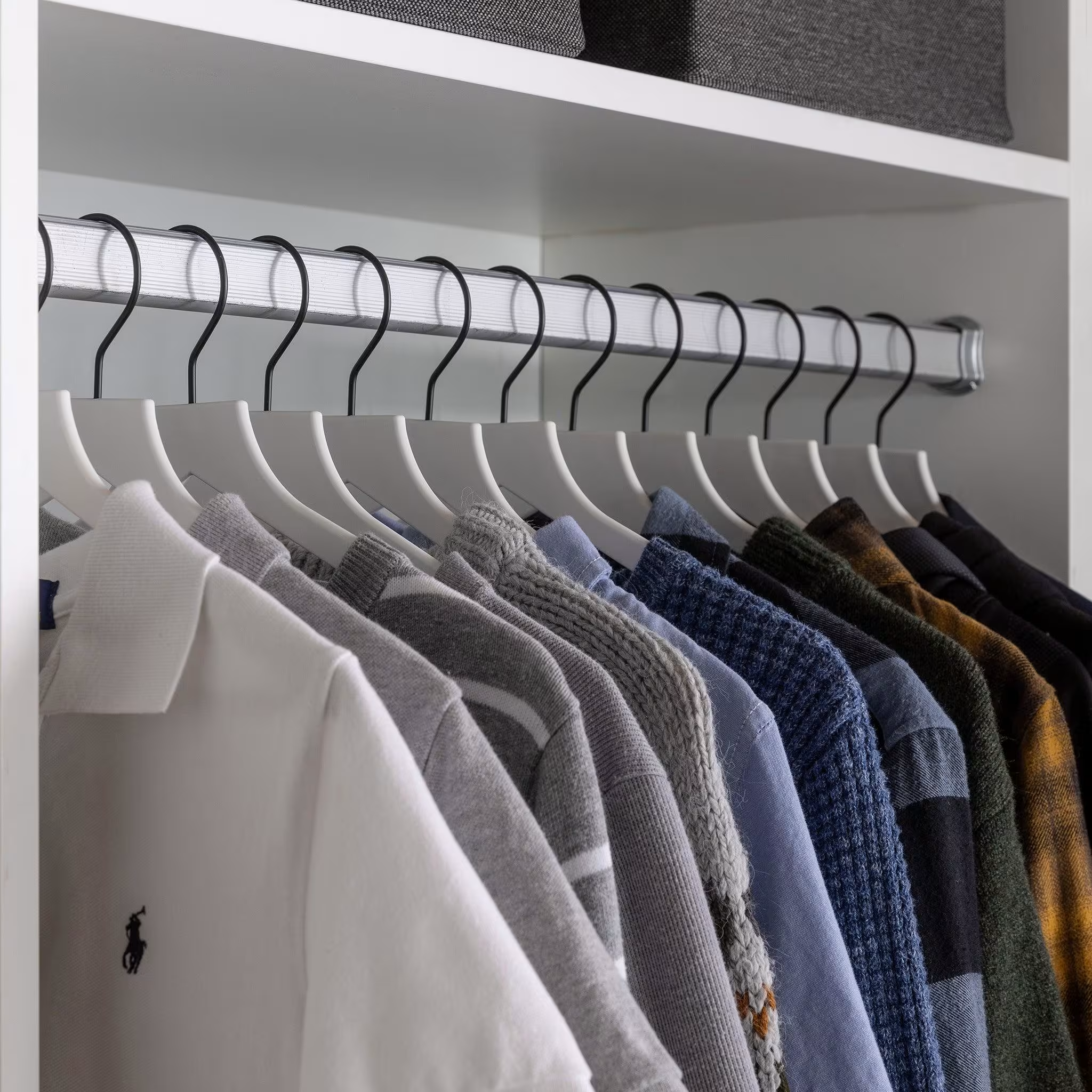
Those bulky plastic hangers? They’re eating your rod space. A standard plastic hanger is about 2 inches wide. A slim velvet hanger is under half an inch. If you’ve got 30 clothes on plastic hangers, switching to slim velvet ones can free up nearly a foot of rod space — without touching anything else.
Velvet hangers also grip fabric better, so clothes don’t slip and fall. One small caveat: don’t use them for heavy knits or chunky sweaters — the pressure from the hook can stretch the shoulders over time. Fold those instead.
Swap to uniform slim hangers across your whole closet. The visual calm it creates is genuinely surprising.
Use Your Vertical Space — All of It
Most closets waste the top 18 inches above the shelf and the bottom section beneath hanging shirts. Both are prime storage real estate.
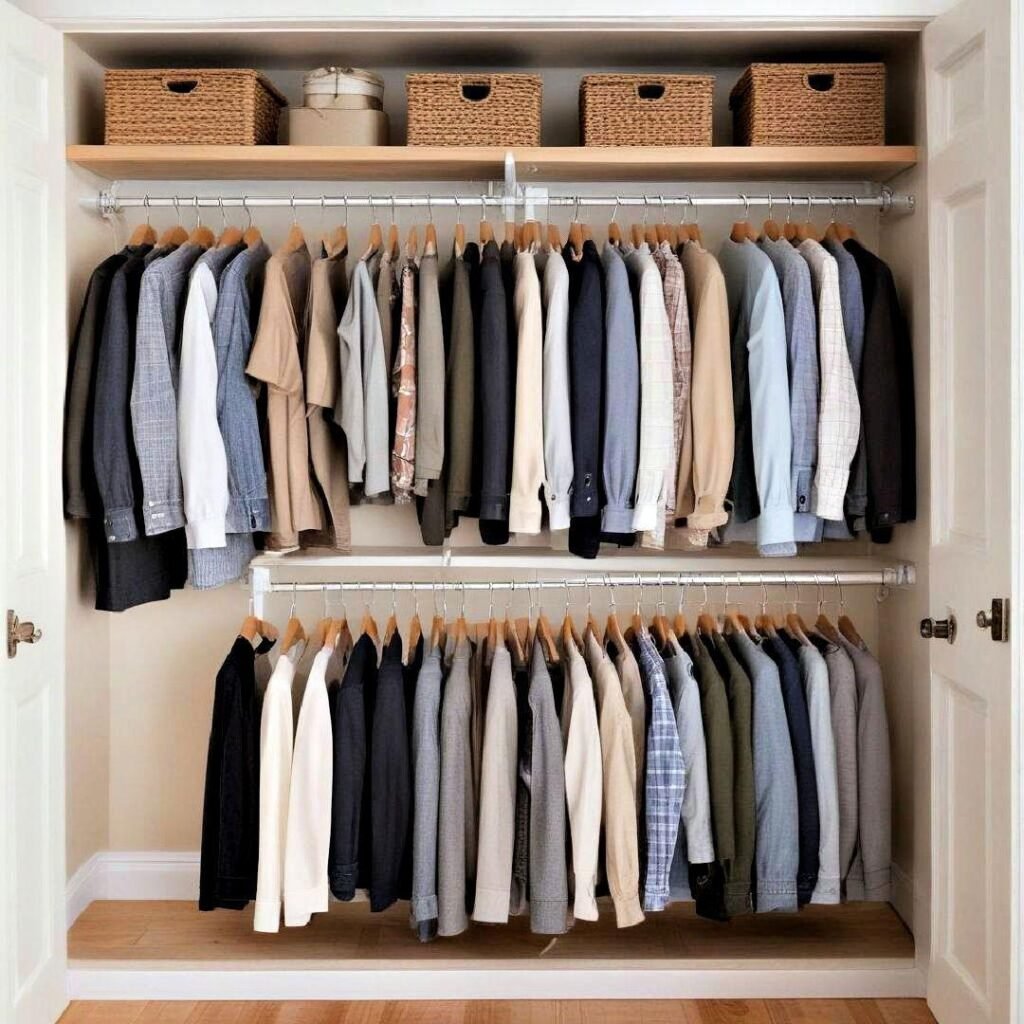
Double hang rods are one of the smartest fixes for shirts, blazers, and folded pants. A double hang rod system basically splits your hanging space into two levels. Shirts need about 36 inches of vertical clearance. So if your closet rod is 72 inches high, you’ve got room for two full rows of shirts. That’s double the hanging capacity in the exact same footprint.
Install hooks on any bare wall space inside the closet — for bags, belts, scarves, or tomorrow’s outfit. Add a shelf riser on existing shelves to create a second level for folded items or shoes.
The floor beneath your hanging clothes? Don’t ignore it. Shoes lined up neatly, a small rolling drawer unit, or flat storage bins can all live there.
The Back of Your Door Is Wasted Space
The inside of a closet door is one of the most ignored surfaces in any bedroom — and it can hold a genuinely useful amount of stuff.
Over-the-door organizers come in a few styles: clear pocket organizers for accessories and small items, shoe organizers that hold 12–24 pairs, or hook-based systems for bags and belts. Most hang without any drilling, which makes them perfect for renters.
One honest note: check your door type before loading one up. Hollow-core doors — common in apartments — can bow or crack if the organizer gets too heavy. Stick to lighter items like scarves, socks, small accessories, or jewelry. The heavier shoe storage versions are better suited to solid doors.
For more renter-friendly bedroom ideas, check out this guide on essential racks, shelves, and drawers that work without permanent installation.
Under the Bed: The Storage You Keep Ignoring
Under-bed space is genuinely useful — but only if you use the right containers and stay organized about it.
Flat under-bed bins with lids are best for off-season clothes: winter sweaters in summer, linen shorts in winter. You’re not accessing these daily, so out-of-sight storage makes total sense. Vacuum storage bags work brilliantly here too — they compress bulky items like duvets and chunky knits down to a fraction of their original size.
Label everything. This sounds obvious but most people skip it and then dig through three bags looking for their thermal base layer in November.
One thing that doesn’t work well under the bed: anything you need regularly. If you’re pulling bins out every few days to find clothes, you’ll get frustrated and stop doing it. Under-bed storage is for seasonal rotation, not daily-use pieces.
Modular Shelving Systems — But Only After You Measure
Modular closet systems (the kind with adjustable shelves, pull-out drawers, and hanging sections) can completely transform a small closet. But they’re also the most common source of “I spent $200 and it still doesn’t work” frustration.
The reason? People buy first, measure second.
Before investing in any system, measure your closet’s exact width, depth, and height. Note where the light switch is. Note whether the door opens inward (which affects depth). Most modular kits come in standard widths — check that your closet can actually accommodate the unit before ordering.
Wire systems are the budget-friendly option and allow airflow, which is nice for clothes. Wood or laminate systems look cleaner and feel more solid. Both work well; it mostly comes down to aesthetics and price.
If you’re tackling a full bedroom refresh alongside this, this beginner-friendly home renovation guide covers a lot of the planning groundwork.
When You Have No Closet At All
Some apartments genuinely don’t have a closet worth using — or don’t have one at all. That’s a different problem, but a solvable one.
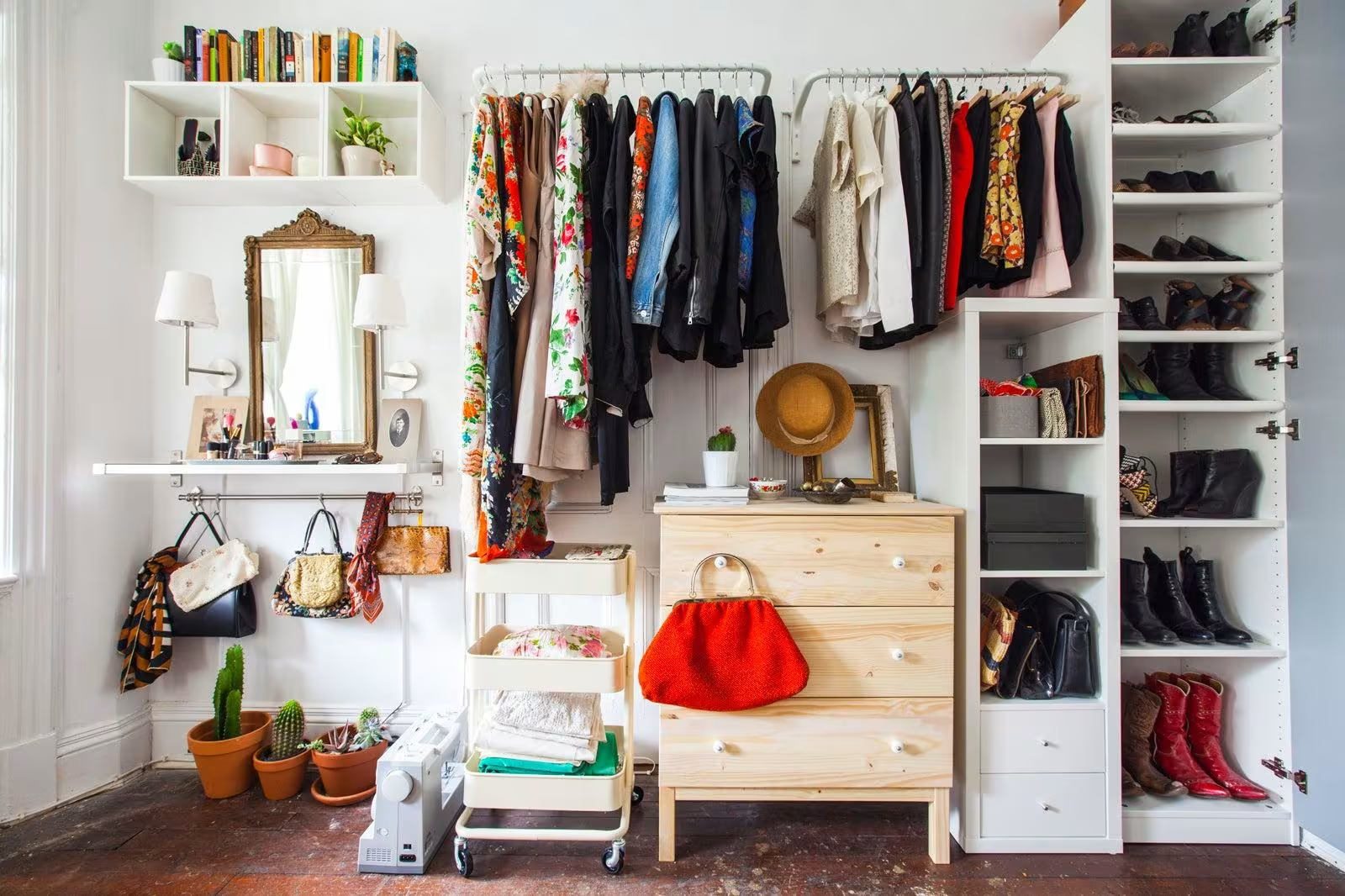
A freestanding garment rack is the most flexible option. Place it in a corner, behind a curtain, or against a blank wall. It holds hanging clothes exactly the way a closet rod does, with zero installation. Group clothes by color or type and it can actually look intentional — almost like a boutique corner.
Rolling drawer units fit under a garment rack or beside a bed. They’re great for folded items, accessories, and anything that doesn’t need to hang.
If you want something that looks more like furniture, a small wardrobe or armoire gives you enclosed storage without the open-rack look. For smaller spaces where floor furniture feels overwhelming, a Japanese floor-style approach to room layout can actually free up visual space dramatically. Low-profile storage pieces keep the room feeling open even when it’s small.
And for a deeper look at different storage configurations that work across small rooms, this clothes storage ideas guide covers more options worth exploring.
What Doesn’t Work in a Truly Tiny Closet
Honestly? A few “solutions” make small closet problems worse. Worth knowing before you spend money.
Overdoing the bins. Stacking too many identical bins means you can’t see what’s inside any of them. You’ll start dumping things in randomly and the system collapses within a week. Use bins sparingly and label everything.
Cascading hanger chains that are too long. Cascading hangers (where multiple clothes hang from one hook vertically) work well for outfits — but keep chains to 3–4 items max. Long chains make clothes hard to reach and they wrinkle at the bottom.
Shelf risers on shelves that aren’t deep enough. A shelf riser needs a shelf deep enough to support it properly. In very shallow closets, risers tip and become more annoying than helpful.
Ignoring the declutter step. This keeps coming back because it matters most. No storage product will fix a closet that’s holding twice the clothes it should.
A Quick Order of Operations
If you’re starting from scratch, here’s the sequence that makes the most sense:
- Pull everything out and declutter ruthlessly
- Swap to slim hangers
- Identify what you actually need to store (hanging vs. folded vs. off-season)
- Add a double rod if you’re heavy on shirts and light on folded items
- Install over-the-door storage for accessories
- Use under-bed bins for seasonal items only
- Consider a modular system only after measuring carefully
FAQs
How do I organize a small closet with too many clothes?
Start by removing everything and donating anything you don’t wear. Then use slim hangers, a double hang rod for shirts, and separate off-season clothes into under-bed storage. The goal is to only keep what fits comfortably — not to force everything in.
What are the best no-drill storage solutions for renters?
Over-the-door pocket organizers, freestanding garment racks, rolling drawer units, and under-bed storage bins are all excellent renter-friendly options. None require drilling and all can move with you.
How do I add more hanging space to a small closet?
A double hang rod system divides your vertical hanging space into two levels. For shirts (which need about 36 inches of clearance), this effectively doubles your rod capacity without changing the closet itself.
What should I keep in under-bed storage bins?
Off-season clothes, spare bedding, and bulky items you don’t need regularly. Vacuum bags work especially well for compressing sweaters and winter gear. Don’t use under-bed storage for items you need daily — it becomes frustrating quickly.
Are velvet hangers worth it?
Yes, for most clothes. They’re slim, grip fabric well, and create a cleaner look. Avoid them for heavy knits — the shoulder hooks can stretch the fabric over time. Use folded shelf storage for those instead.
How do I make a small closet look less chaotic?
Uniform hangers, consistent bin colors, and labeled containers make a huge visual difference. Grouping clothes by category (all shirts together, all pants together) helps your eye and your brain.
Do modular closet systems work in small closets?
They can work very well — but only if you measure your closet exactly before buying. Many systems come in fixed widths that don’t fit narrow closets. Always measure width, depth, and height before ordering anything.
What’s the single biggest mistake people make with small closets?
Buying organizers before editing what they own. No storage system can fix a closet that’s holding twice what it should. Decluttering first, then organizing, is the only sequence that actually sticks.