Estimated reading time: 11 minutes
You’re standing over the sink with one dirty pan. Just one. The dishwasher is empty, and some tiny, guilt-ridden voice in your head asks whether it’s even worth running the whole machine for a single pot crusted with last night’s stir-fry.
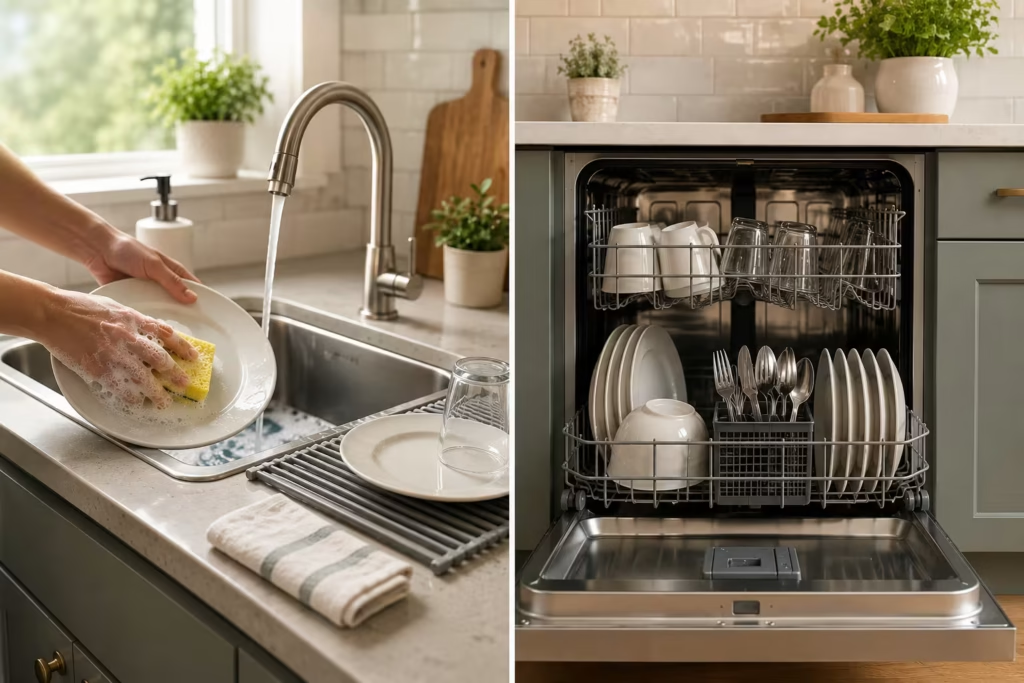
That moment — pan in hand, water running, brain doing cost-benefit math at 9 p.m. — is basically why this whole dishwasher vs hand washing debate exists. And the short version is this: for most households, the dishwasher wins on water, energy, and actual germ-killing power. But “most households” isn’t “your household,” and there are real exceptions where the sink is still the smarter move.
Let’s get into the actual numbers, because vague claims like “uses less water” without a figure attached are basically useless.
So Which Uses Less Water — Dishwasher or Hand Washing?
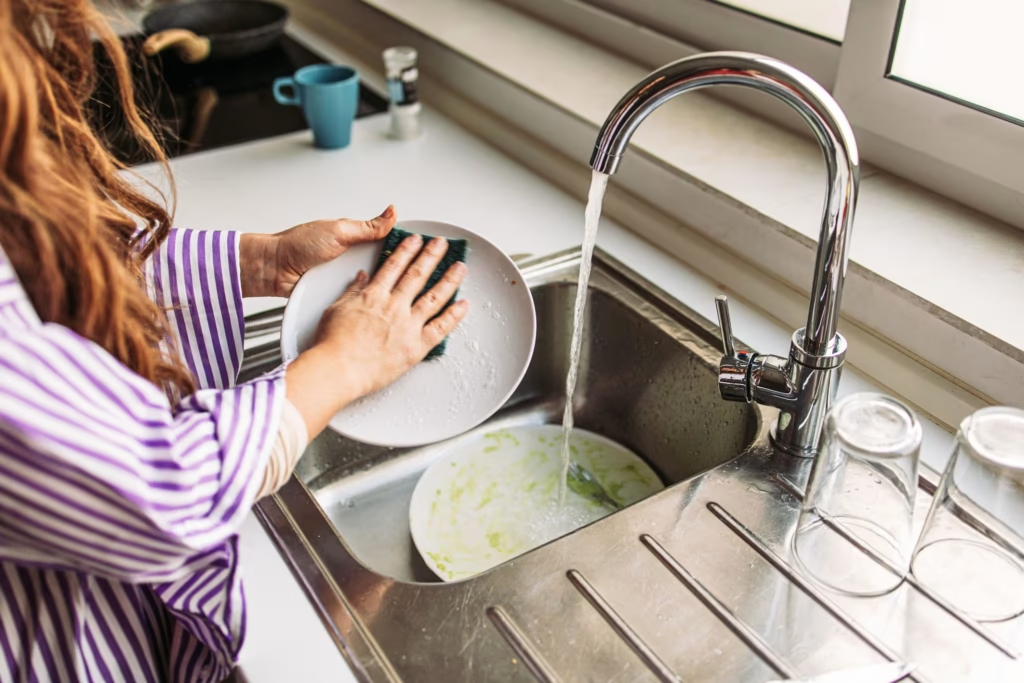
A standard ENERGY STAR-certified dishwasher uses somewhere around 3 to 4 gallons of water per full cycle. Older machines, especially anything built before the early 2010s, can run closer to 10 to 15 gallons a load. Hand washing, on the other hand, tends to land anywhere from 9 to 27 gallons for the same amount of dishes — and the reason for that wide range comes down to one habit in particular: running the tap continuously while you scrub instead of shutting it off between rinses.
If you fill one side of the sink with soapy water and the other with rinse water, you can get hand washing down to a reasonable amount. But realistically? Most people don’t do that every single time. Letting the tap run for ten straight minutes while you wash a sink full of dishes can easily burn through 15 to 20 gallons, which is four to five times what a modern dishwasher uses for the same job.
So if someone asks which uses less water, dishwasher or hand washing, the honest answer is: a modern dishwasher, and it’s not particularly close.
What About Energy and the Actual Dollar Cost?
Water is only half the equation. The other half is energy — heating that water, mostly, since hot water heating accounts for the bulk of a dishwasher’s energy draw.
Here’s a rough side-by-side for a typical household running one load a day:
| Factor | Dishwasher (ENERGY STAR) | Hand Washing |
| Water per cycle/session | ~3–4 gallons | ~9–27 gallons |
| Water temperature | Up to 140°F+ (sanitize cycle) | Limited to what hands can tolerate, ~110°F max |
| Estimated annual water cost* | $25–$40 | $60–$120 |
| Energy use | Lower (efficient heating element, less water to heat) | Higher per gallon heated, but variable by habit |
| Sanitization | Reliable, consistent | Inconsistent, hand-dependent |
*Cost estimates vary by region, local water rates, and household size — these are ballpark figures, not a guarantee for your specific utility bill.
The annual cost gap isn’t dramatic enough to single-handedly justify buying a new appliance if you don’t already have one. But if you already own a dishwasher and you’re hand washing out of guilt or habit, you’re very likely spending more money and water doing it the “thrifty” way, which is a little ironic.
Does a Dishwasher Actually Get Dishes Cleaner?
This is where the dishwasher pulls ahead in a way that’s hard to argue with: temperature. Most dishwashers can hit water temperatures of 140°F or higher during a sanitize or heated-dry cycle, which is hot enough to kill the vast majority of bacteria sitting on your plates. Your hands simply can’t tolerate water that hot — you’d be pulling them out of the sink in about two seconds.
That gap matters more than people think. Hand washing relies entirely on soap, friction, and however thorough you happen to be feeling that night. A dishwasher does the same job with consistent heat and water pressure every single time, regardless of whether you’re tired, distracted, or just want to go to bed.
There’s also the sponge problem, which nobody talks about enough. A kitchen sponge left damp on the counter is basically a five-star resort for bacteria. Every time you hand wash dishes with that sponge, you’re potentially transferring some of that bacteria right back onto “clean” dishes. A dishwasher skips that whole issue — no sponge, no biofilm, no cross-contamination from a kitchen tool that’s rarely as clean as we assume.
None of this means hand washing is unsanitary in some scary, dangerous way. It just means the margin for error is bigger, and the ceiling for cleanliness is lower, compared to a machine built specifically to hit and hold a high temperature.
Where Hand Washing Still Wins — No Contest
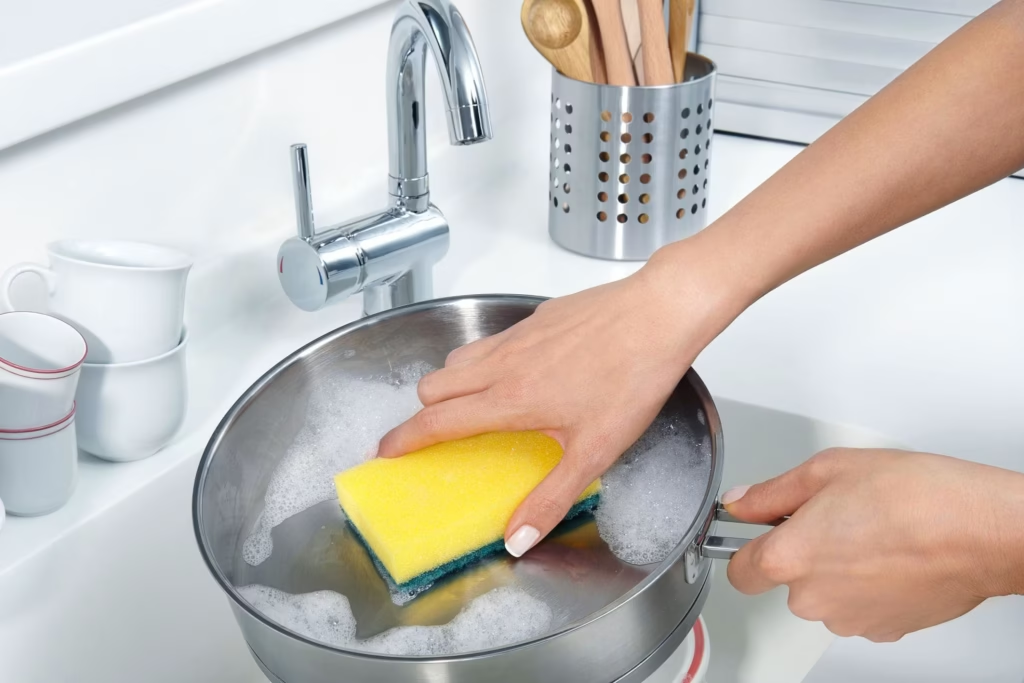
This is the part most appliance-brand blogs skip past on their way to recommending you buy a bigger dishwasher. Hand washing genuinely has the edge in a few specific situations.
Cast iron and carbon steel pans. If you’ve ever pulled a perfectly seasoned cast iron skillet out of the dishwasher, you already know the damage — stripped seasoning, rust spots, a pan that needs to be re-seasoned from scratch. These need a quick hand wash, minimal soap, and a thorough dry.
Wood-handled knives and cutting boards. Prolonged heat and moisture warp and crack wood. Hand wash, dry immediately, done.
Delicate glassware and vintage china. The combination of high heat, water pressure, and other dishes knocking around can chip or cloud delicate glass over time. If grandma’s china survived this long, don’t risk it in a machine built for everyday plates.
Single items or odd shapes. That one wine glass, a blender pitcher that’s too tall to fit, a baking sheet caked with burnt cheese — sometimes it’s genuinely faster and more practical to just wash the thing by hand than rearrange the entire rack around it.
No-dishwasher households. Plenty of apartments and older homes simply don’t have one installed, and that’s a real, common situation — not a failure on anyone’s part. If that’s you, efficient hand washing (filling a basin instead of running the tap, scraping food off first, washing least-greasy items before greasiest) gets you most of the water savings without needing to renovate your kitchen. If you’re weighing a future upgrade, it’s worth understanding how dishwashers fit into a broader appliance lineup the same way you’d compare different types of washing machines before choosing one for your laundry room.
So the real takeaway isn’t “dishwasher always wins.” It’s “dishwasher wins for the bulk of everyday dishes, sink wins for the specific stuff that needs gentler treatment.” Most kitchens that run well are doing both already, even if nobody’s thought about it in those terms.
The Myths That Keep This Debate Confusing
Myth: you need to pre-rinse everything before loading the dishwasher. Modern dishwashers come with soil sensors and enzyme-based detergents specifically designed to break down food residue. Pre-rinsing under the tap actually wastes the water you were trying to save by using the dishwasher in the first place. Scraping off large chunks of food, sure. Rinsing every plate spotless first? Not necessary, and it defeats the purpose.
Myth: hand washing is automatically greener because no machine is running. This one feels intuitively true and is usually wrong. “Running” doesn’t mean “using more resources” — a dishwasher’s motor and heating element use a relatively small amount of electricity compared to the water (and the energy required to heat that water) saved by not running the tap continuously for ten minutes. The environmental math almost always favors the machine, not the absence of one.
Myth: hand washing is more sanitary because you can “see” you’ve cleaned it well. Visual cleanliness and bacterial cleanliness aren’t the same thing. A plate can look spotless and still carry bacteria that only heat — not soap and a sponge — reliably eliminates.
A Decision Framework You Can Actually Use
Instead of the usual “it depends on your household” shrug, here’s a simpler way to think about it:
Run the dishwasher for everyday plates, bowls, utensils, and most cookware — that’s the bulk of your dish volume and where the water, energy, and sanitization gap with hand washing is largest. Hand wash cast iron, wood-handled tools, delicate glass, and anything too big or oddly shaped to fit properly. Skip the pre-rinse, but do scrape off solid food first. If you don’t have a dishwasher, focus on basin washing instead of a running tap — that single habit change closes most of the water gap on its own.
That’s it. No guilt trip either direction, just a split based on what each method is actually good at.
A Quick Word for Drought-Prone Areas and Tight Budgets
If you live somewhere with water restrictions, tiered utility pricing, or just a household budget that flinches at every bill, the dishwasher math matters even more than it does for the average reader. Tiered water pricing means your last few gallons each month often cost more per unit than your first few, so shaving gallons off your daily dish routine can have an outsized effect on the actual number at the bottom of the bill, not just a small percentage.
The same logic applies in reverse for single-person households or anyone living alone in a small apartment. Running a half-empty dishwasher every night to wash a coffee mug and a fork isn’t actually saving anything — you’re better off hand washing those few items in a basin and saving the machine for when it’s genuinely full. Efficiency isn’t about always choosing the machine; it’s about matching the method to the actual volume of dishes in front of you.
Setting Up Your Sink (and Kitchen) for Either Method
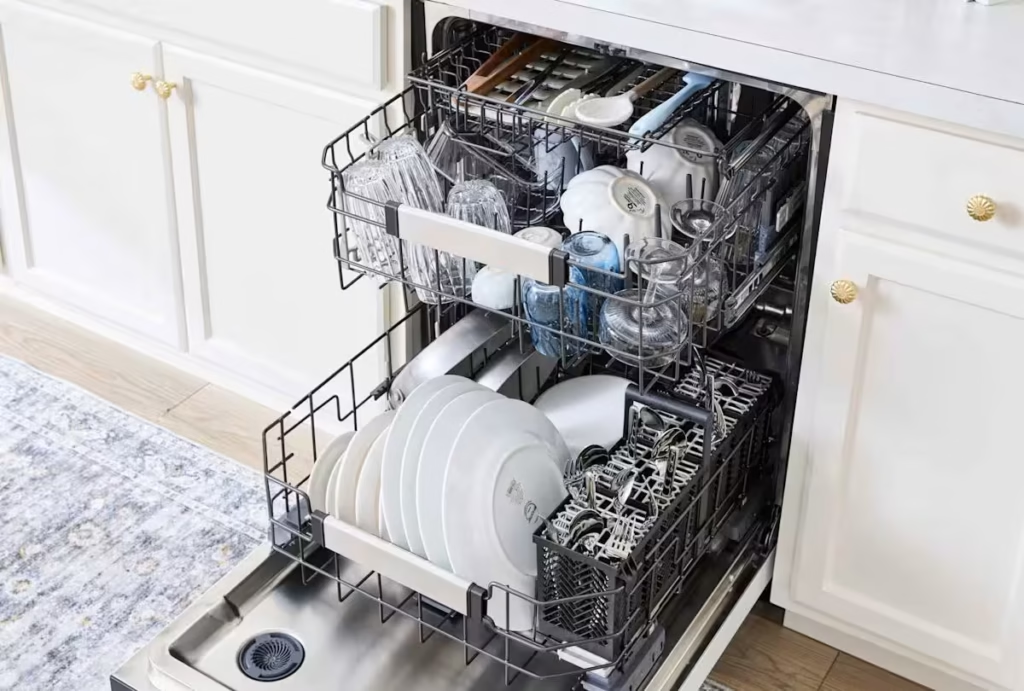
If you’re doing a mix of both — which, again, is what most households end up doing — a little kitchen setup goes a long way. A proper drying rack and some organized shelving near the sink makes hand washing the occasional item far less annoying, since you’re not hunting for counter space every time. And if your kitchen sink area tends to get grimy from splashback, the same logic that applies to keeping windows streak-free applies here too — the right tools make a tedious chore go faster.
If this whole comparison has you thinking about other “which one’s actually better” kitchen questions, the same data-over-vibes approach applies to plenty of other appliance debates — our breakdown of food processors vs. juicers follows a similar format if you’re curious. And if you’re in the early stages of a kitchen remodel and weighing whether a dishwasher install is worth the plumbing work, it’s worth reading through some general home renovation tips for beginners before committing.
At the end of the day, this isn’t really a debate that needs a winner-takes-all answer. It’s closer to knowing which tool fits which job — and once you’ve got that sorted, the whole “should I run the dishwasher for one pan” question kind of answers itself.
FAQs
Do I need to rinse dishes before loading the dishwasher?
No, not in the way most people assume. Scraping off large food chunks helps, but a full rinse under the tap first wastes water and isn’t necessary — modern dishwashers use soil sensors and enzyme detergents designed to break down residue on their own.
Is hand washing better for the environment than using a dishwasher?
Generally, no. A dishwasher uses far less water per load on average, and the energy used by the machine itself is usually smaller than the energy needed to heat the extra water used during hand washing, especially if the tap runs continuously.
What shouldn’t go in the dishwasher?
Cast iron and carbon steel cookware, wood-handled knives or cutting boards, delicate or vintage glassware, and non-stick pans with worn coatings are all safer washed by hand. Always check for a dishwasher-safe label if you’re unsure.
Is it cheaper to hand wash dishes or use a dishwasher?
For most households, running a modern, ENERGY STAR-certified dishwasher costs less annually than hand washing the same volume of dishes, mainly due to the water savings. The gap narrows for very small households or with extremely efficient hand-washing habits.
Is hand washing more sanitary than a dishwasher?
Not typically. Dishwashers can reach water temperatures above 140°F, hot enough to kill most bacteria — well beyond what human hands can tolerate. Hand washing relies on soap and scrubbing alone, which leaves more room for inconsistency.
Should I hand wash before putting dishes in the dishwasher?
You shouldn’t need to fully wash dishes first — that defeats the purpose of running the machine. Just scrape off solid food and load as normal; the dishwasher is built to handle the rest.