Estimated reading time: 12 minutes
You hear it before you see it — that little click, click, click as your dog crosses the kitchen floor. Or maybe it’s the opposite discovery: running your fingers through your cat’s fur and hitting a mat so tight it feels like a knot of felt glued to her skin. Either way, it’s the same moment every pet owner eventually has: I should probably be doing more of this.
Here’s the thing — most pet grooming advice either drowns you in generic tips or assumes you already know what you’re doing. This pet grooming guide skips both. You’ll get a real schedule, broken down by coat type instead of treated as one-size-fits-all, plus the parts nobody explains well: how to actually find the quick before you trim a nail, what to do when your pet won’t sit still, and whether a $70 grooming appointment is worth it or just easier.
Quick Answer: How Often Should You Groom Your Pet?
Most dogs need brushing one to several times a week (daily for long or double coats), a bath every four to six weeks, nail trims every three to four weeks, and a weekly ear check. Cats mostly groom themselves and rarely need baths, but long-haired breeds still need daily brushing to prevent mats. Dental care — brushing or dental chews — should happen several times a week for both.
That’s the short version. The long version depends almost entirely on coat type, which is exactly what most grooming articles skip over.
Grooming Schedule by Type
| Task | Short/Smooth Coat (e.g., Lab, Beagle, short-hair cat) | Double Coat (e.g., Husky, Golden Retriever) | Long/Curly Coat (e.g., Poodle, Shih Tzu, Persian cat) |
| Brushing | 1–2x/week | 3–4x/week, daily during shedding season | Daily — mats form fast |
| Bathing | Every 4–6 weeks | Every 6–8 weeks (less often — overbathing strips the undercoat’s natural oils) | Every 3–4 weeks |
| Nail trim | Every 3–4 weeks | Every 3–4 weeks | Every 3–4 weeks |
| Ear check | Weekly | Weekly (more often for floppy ears, which trap moisture) | Weekly |
| Dental care | 2–3x/week brushing or daily chews | 2–3x/week brushing or daily chews | 2–3x/week brushing or daily chews |
Cats are the exception across the board. A short-haired cat may never need a bath in its life. A long-haired cat — Persian, Maine Coon, Ragdoll — needs daily brushing whether it likes it or not, because their undercoat mats faster than most owners expect.
Grooming Is a Health Routine, Not a Beauty Routine
It’s easy to think of grooming as the equivalent of a haircut — nice to have, not essential. It isn’t. Matted fur pulls on skin and can hide hot spots underneath. Overgrown nails change how a dog walks, which over months can stress their joints. Dirty ears, especially in floppy-eared breeds, are one of the most common reasons dogs end up at the vet. None of this is dramatic until it suddenly is, and grooming is the cheapest prevention you’ve got.
Brushing and Coat Care, by Coat Type
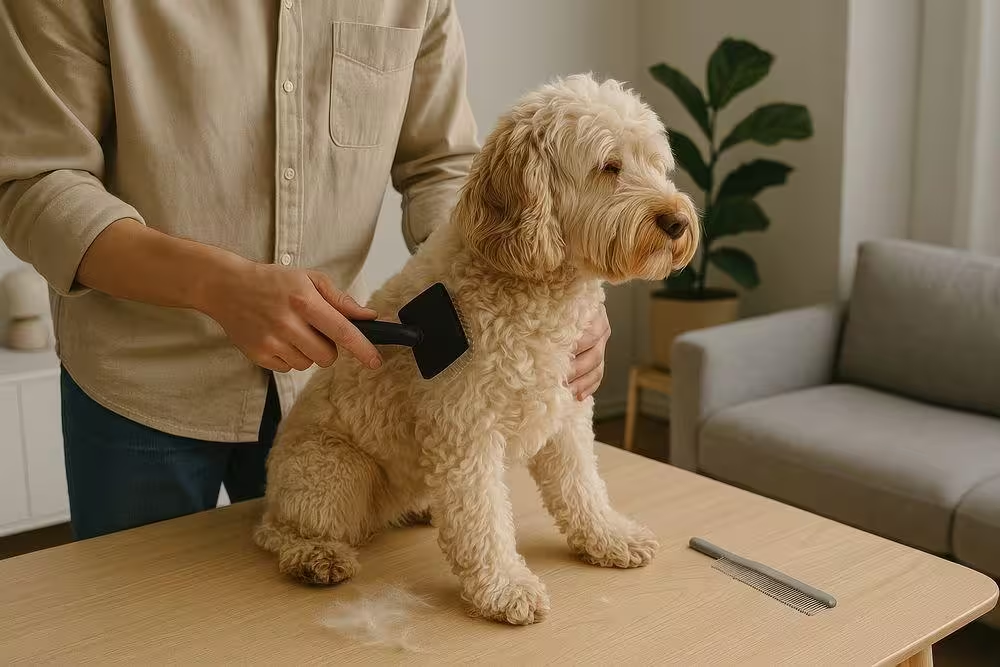
Brushing isn’t just “do it more for long hair.” Different coats actually need different tools and technique.
Short, smooth coats (Labs, Beagles, most short-haired cats) do well with a rubber curry brush or grooming mitt. Brush in the direction of hair growth — it lifts loose hair without irritating skin.
Double coats (Huskies, Golden Retrievers, German Shepherds) need an undercoat rake, not just a regular brush. A standard brush only touches the top coat; the rake gets into the dense undercoat where shedding actually happens. Twice a year — usually spring and fall — these breeds “blow their coat,” shedding the entire undercoat over a couple of weeks. Daily brushing during that window saves your furniture.
Long or curly coats (Poodles, Shih Tzus, Persian cats) are where most home grooming goes wrong. A slicker brush is non-negotiable here, and you have to brush down to the skin, not just over the surface — mats form at the base of the hair, close to the body, and a surface-level brush will miss them completely until they’re already established. Check behind the ears, under the legs, and around the collar area first; those spots mat fastest.
If you’re setting up a dedicated grooming corner at home, a few open shelves or a small drawer unit near where you groom makes a real difference — you’re not hunting for the slicker brush mid-session while a squirmy dog loses patience. Some simple rack and shelving setups work well for this, and if you’re tight on space, these small-space storage ideas translate surprisingly well to grooming supplies, too.
Bathing Without Overdoing It
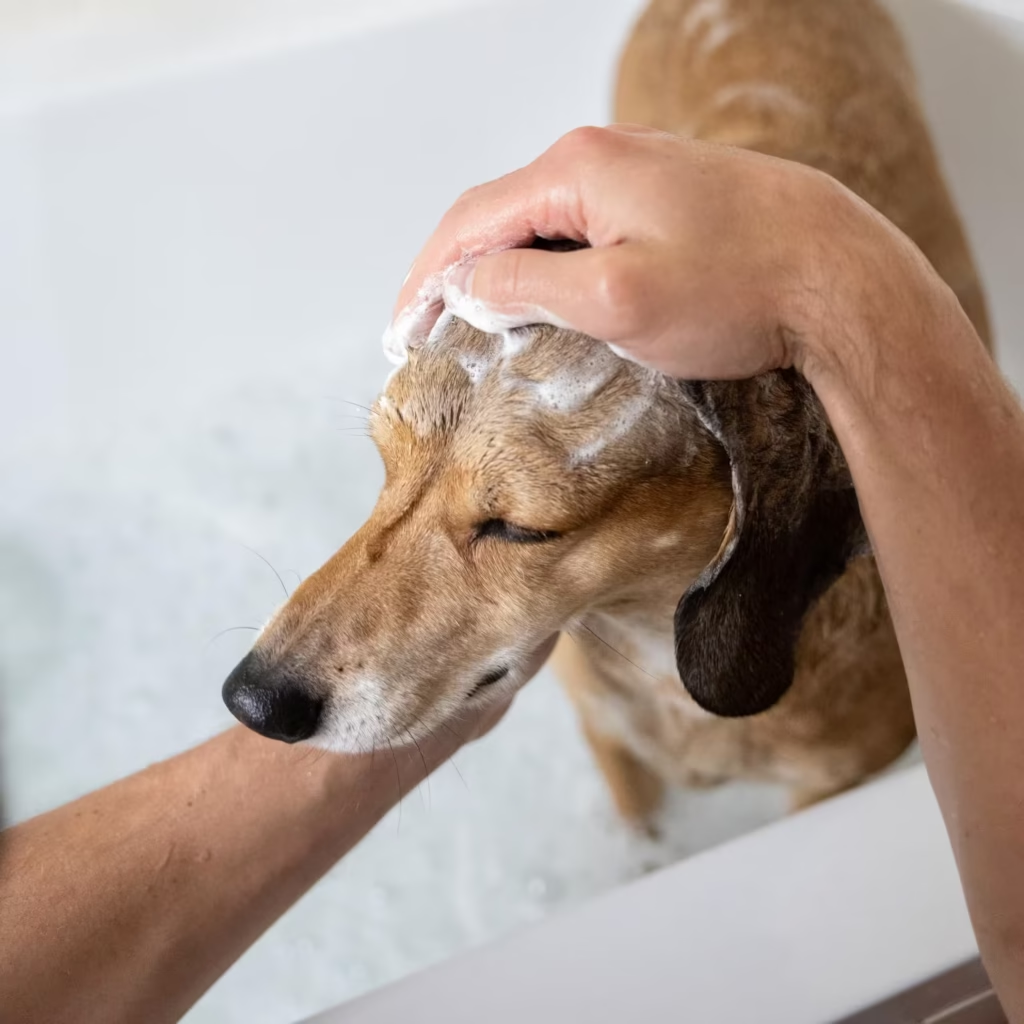
Over-bathing is more common than under-bathing, and it’s the one mistake that actively causes problems rather than just neglecting them. Strip a dog’s coat with too-frequent baths or human shampoo, and you dry out their skin — which then triggers more itching, more scratching, sometimes a worse coat than if you’d done nothing at all.
Stick to a pet-specific shampoo (oatmeal-based formulas are a safe default for sensitive skin) and resist the urge to bathe just because your dog rolled in something questionable once. For most dogs, every four to six weeks is the sweet spot. Cats genuinely don’t need regular baths — their tongue does most of the work — unless they’ve gotten into something their grooming can’t handle, or they’re a hairless breed without the oil-wicking benefit of fur.
If you’re bathing dogs in a small bathroom, the setup matters more than people expect — a non-slip mat in the tub and decent lighting make the whole thing less of a wrestling match. These small bathroom ideas and a budget-friendly bathroom refresh can make a designated pet-washing spot feel a lot less makeshift.
Nail Trimming: The Part Everyone’s Actually Scared Of
This is where most home groomers freeze up, and for good reason — nick the quick (the blood vessel inside the nail) and you’ve got a yelping dog and a stressed-out you. A few things make this safer:
- On light-colored nails, the quick is visible as a pinkish area inside the nail. Trim just before it.
- On dark nails, you can’t see the quick, so trim in small increments — a sliver at a time — rather than one confident chop. Stop the moment you see a small gray or pink dot in the center of the cut surface; that’s your signal you’re close.
- Keep styptic powder on hand. If you do nick the quick, press it into the nail tip — it stops the bleeding in under a minute. It looks scarier than it is.
- Good lighting actually matters here. Bathrooms with better lighting make it noticeably easier to spot the quick before you cut, especially on dark nails.
If your dog hears the clippers and bolts, you’re not alone — that’s one of the most common grooming complaints there is. Desensitizing helps: handle their paws regularly outside of trim time, with no clippers involved, just so paw-touching stops being a signal that something unpleasant is coming.
Ear Cleaning: Know the Difference Between Routine and Trouble
A weekly glance at your pet’s ears is enough for most pets — you’re checking for redness, odor, or excess wax, not deep-cleaning every time. Floppy-eared breeds (Cocker Spaniels, Basset Hounds) need more frequent checks because their ear shape traps moisture, which is exactly what bacteria and yeast like.
Routine maintenance: a few drops of vet-approved ear cleaner on a cotton ball, gently wiped through the visible part of the ear. Never go in with a cotton swab — you risk pushing debris deeper.
Trouble signs: a strong, sour or yeasty odor, dark discharge, or your pet shaking their head and scratching at one ear more than usual. That’s not a “clean it more” situation — that’s a vet visit, because it likely means an infection has already started.
Dental Care Nobody Actually Keeps Up With
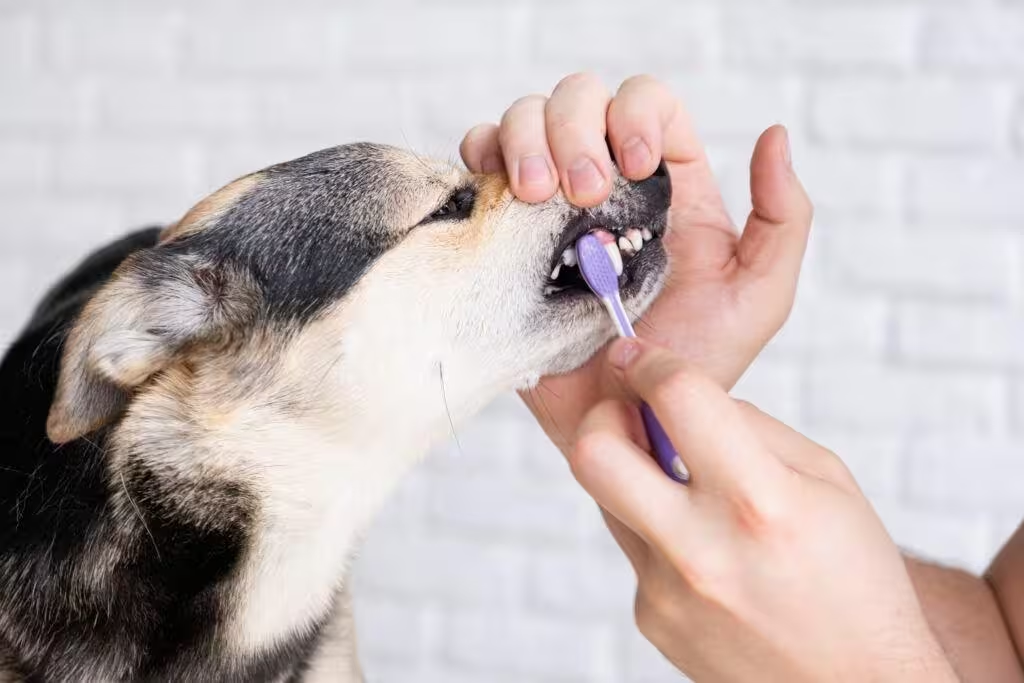
Realistically, daily tooth-brushing is the gold standard and almost nobody does it consistently — including most vets, if they’re honest. Aim for two to three times a week with a pet-safe enzymatic toothpaste (never human toothpaste; the fluoride and xylitol in ours can be toxic to pets). Dental chews fill some of the gap on busy days, though they’re a supplement, not a replacement.
The payoff is real: dental disease is one of the most common — and most preventable — health issues vets see in adult pets, and it’s invisible until it’s bad breath, then loose teeth, then a much more expensive dental procedure.
Professional Grooming vs. DIY: An Honest Comparison
There’s no universally right answer here — it depends on your pet’s coat, your patience, and your budget.
| DIY at Home | Professional Groomer | |
| Typical cost | One-time kit cost: roughly $50–150 for decent tools | $30–90 per visit for dogs (more for large or double-coated breeds); mobile groomers often run $75–150 |
| Best for | Short coats, routine maintenance, confident handlers | Complex cuts, severely matted coats, anxious or large dogs, breed-specific styling |
| Time investment | 20–60 minutes per session, more for long coats | None — you drop off and pick up |
| Skill curve | Moderate — nail trims and de-matting take practice | Handled by someone trained for it |
A realistic middle ground: handle brushing, ear checks, and light bathing yourself, and outsource nail trims or full coat work to a professional if your pet has a coat type that genuinely needs it (heavy double coats, curly coats prone to matting) or if your pet is too anxious for you to safely manage alone. There’s no badge of honor in doing everything yourself if it stresses your pet out every time.
Common Grooming Mistakes Worth Avoiding
- Using human shampoo or soap — our skin pH is different from a pet’s, and it leads to dryness and irritation.
- Cutting nails too short, too fast — small increments beat one confident cut every time.
- Skipping ear checks because “they seem fine” — infections often start quietly.
- Over-bathing — more isn’t better; it strips natural oils.
- Brushing only the surface of a long or curly coat — mats start at the skin, not the tips.
Puppies, Kittens, and Senior Pets Need a Different Approach
Puppies and kittens: Start grooming young, even before it’s strictly necessary, so it becomes routine rather than a fight. Short, calm sessions — a couple of minutes of brushing, gentle paw handling — build tolerance long before their first real trim or bath.
Senior pets: Skin gets thinner and more sensitive with age, and arthritis can make standing for a bath or holding still for nail trims genuinely uncomfortable. Shorter, gentler sessions help, and a non-slip surface matters more than ever — older joints don’t handle a slippery tub well.
Keeping the Mess (and the Smell) Contained
However tidy your technique, grooming at home gets fur and water everywhere. A quick wipe-down after each session — and an occasional deeper clean of the bathing area — keeps things from building up. A simple bathroom cleaning routine covers this well, and if towels and pet bedding are part of your laundry rotation, it’s worth knowing what your washing machine can actually handle for pet hair and odor without damaging the machine.
It’s also worth mentioning fleas and ticks in the same breath as grooming, since brushing sessions are often when you’ll first spot them. Keeping your home itself less hospitable to pests — not just your pet — matters too; general pest control approaches are a reasonable companion step to whatever flea prevention your vet recommends.
Building a Routine That Actually Sticks
The pets who tolerate grooming best aren’t the ones with the calmest temperament — they’re the ones whose owners kept sessions short, predictable, and low-stress from early on. Five minutes of brushing twice a week beats a dreaded, drawn-out monthly ordeal every time, for you and for them. Pick one or two tasks to start with, keep a pair of treats nearby, and build from there. The schedule above is a target, not a rulebook — adjust it to what your specific pet’s coat and temperament actually need.
FAQs
How often should you groom your pet?
Most dogs need brushing one to several times weekly, a bath every four to six weeks, and nail trims every three to four weeks. Cats mostly self-groom and rarely need baths, though long-haired cats still need daily brushing to prevent matting.
How often should I bathe my dog?
Every four to six weeks for most dogs, adjusted for coat type and activity level. Double-coated breeds can go slightly longer between baths, since frequent washing strips the natural oils that protect their undercoat.
Is it okay to never bathe my cat?
For most short-haired cats, yes — their self-grooming is usually sufficient. Long-haired cats, senior cats who groom less effectively, and cats with skin conditions may need occasional baths on a vet’s recommendation.
How do I trim my dog’s nails without hitting the quick?
On light nails, trim just before the visible pink area. On dark nails, cut in small increments and stop as soon as you see a small gray or pink dot at the center of the cut — that means you’re approaching the quick.
Why does my dog still smell after a bath?
Persistent odor after bathing often points to ear infections, dental issues, or skin conditions rather than the coat itself — all worth a vet check if the smell returns quickly after washing.
How much does professional dog grooming cost?
Typically $30–90 per visit depending on size, coat type, and location, with mobile groomers often charging more for the convenience.
Can I use baby shampoo on my dog?
It’s not ideal — even baby shampoo is formulated for human skin pH, which differs from a dog’s. A pet-specific, oatmeal-based shampoo is a safer everyday choice.