Estimated reading time: 13 minutes
You’ve probably done the weekend purge before. Bins from the store, a few hours of sorting, everything labeled and color-coded and looking like a magazine spread by Sunday night. Then three weeks pass, and somehow the bins are full of things that don’t belong in them, the shoe rack has become a coat rack, and you’re back where you started.
That’s not a willpower problem. It’s a hardware problem. Most storage failures come down to picking the wrong rack, shelf, or drawer for how a space actually gets used — not from being lazy or disorganized as a person. Get the right combination of racks, shelves, and drawers in each room, sized correctly and placed where you actually need them, and tidiness stops requiring effort. It just happens, because the home is built to make it happen.
This guide walks through what to put where, room by room, with real measurements instead of vague “make sure you have enough space” advice. No bonus list dumped at the end — every recommendation lives in the room it belongs to.
Start Here: What You’re Actually Storing
Before buying a single shelf bracket, take stock of what needs a home. This sounds obvious, but skipping it is the single biggest reason storage systems collapse.
Ask yourself a few things. Who actually lives in this space — just you, a partner, kids, a dog that needs its leash and food bin somewhere accessible? What gets touched every single day versus what only comes out twice a year? Do you have a hobby that eats up a closet shelf, or a work-from-home setup that needs its own drawer for cables and notebooks?
The honest answer to “are you a put-it-away person or a leave-it-out person” matters too. If you’re someone who’ll never close a cabinet door, open shelving is going to look like clutter within a week, no matter how nice it looked in the store. Closed drawers and bins hide the mess instead of fighting it. There’s no shame in that — it’s just knowing yourself before you spend money.
Entryway: The Make-or-Break Zone
The entryway sets the tone for the whole house, and it’s also the room that takes the most daily abuse. This is where shoes pile up, jackets land on chairs instead of hooks, and keys disappear into couch cushions.
A closed cabinet for shoes works better here than an open rack for most households — it hides the visual mess of mismatched sneakers and muddy boots. Plan for at least 2 to 3 pairs of shoes per person, more if anyone in the house plays sports or has seasonal footwear. Pair it with hooks or a coat rod at a height kids can actually reach, so jackets land on hooks instead of the floor.
A small set of closed drawers or a basket near the door catches gloves, sunglasses, and keys — anything that would otherwise scatter across counters. And if you’ve got the floor space, a storage bench earns its keep twice over: somewhere to sit while putting shoes on, and hidden storage underneath for the stuff that doesn’t have another home yet.
Kitchen: Where Drawer Organization Pays Off Fastest
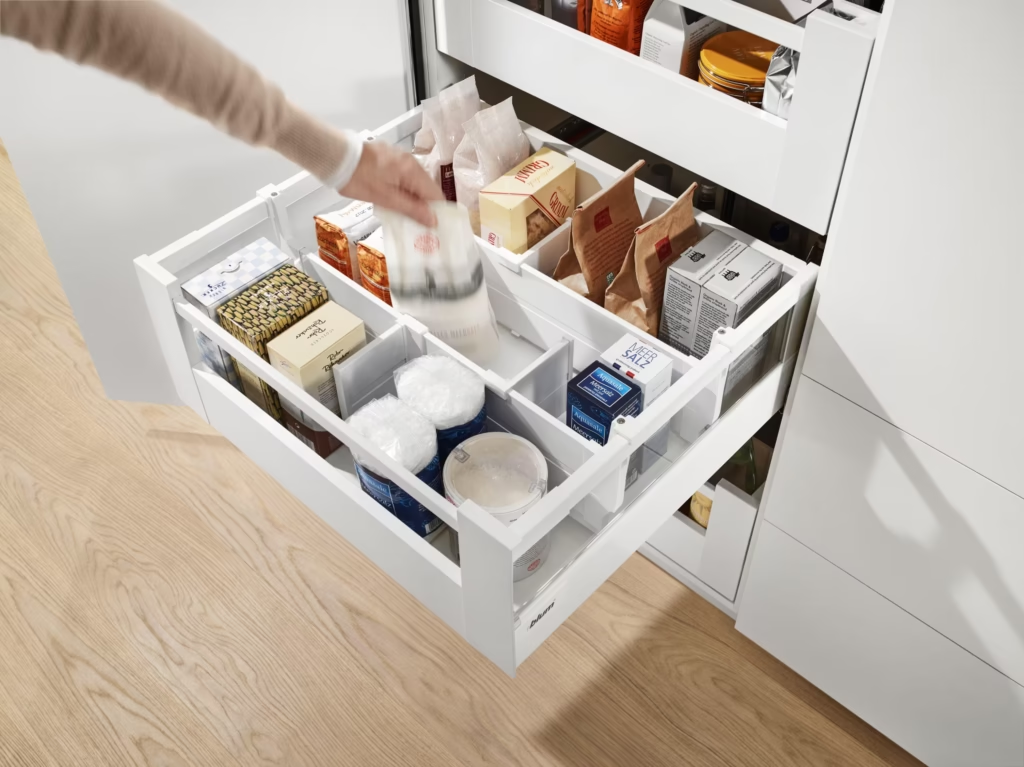
Kitchens punish bad storage decisions faster than any other room, because you’re in there multiple times a day. A pantry with the wrong shelf depth means you’re constantly digging past cans to find what’s behind them.
The ideal pantry shelf depth is 30 to 40 centimeters (roughly 12 to 16 inches). Go deeper than that and things start hiding behind other things — you’ll buy a second jar of cumin because you couldn’t see the first one. Drawer organizers for cutlery, spices, lids, and knives matter more here than almost anywhere else in the house, because loose drawers in a kitchen turn chaotic within days.
A few specifics worth building in: vertical trays for cutting boards and baking sheets keep awkward flat items from becoming a stack you have to dig through, hooks near the stove for frequently used mugs or utensils save you opening a cabinet twenty times a day, and a built-in trash and recycling zone (rather than a freestanding bin in the corner) keeps the whole kitchen feeling less cluttered.
If you’re trying to decide between handwashing dishes or relying on a dishwasher for daily cleanup, that choice actually affects how much drawer space you’ll want dedicated to dish towels and drying racks — worth sorting out before you finalize your kitchen drawer layout, and our breakdown of hand-washing versus dishwashers digs into that trade-off in more detail.
Living Room: Less Storage, More Strategy
The living room doesn’t need as many storage zones as the kitchen or bedroom, but the few it does need matter a lot for keeping the room from looking lived-in in the wrong way.
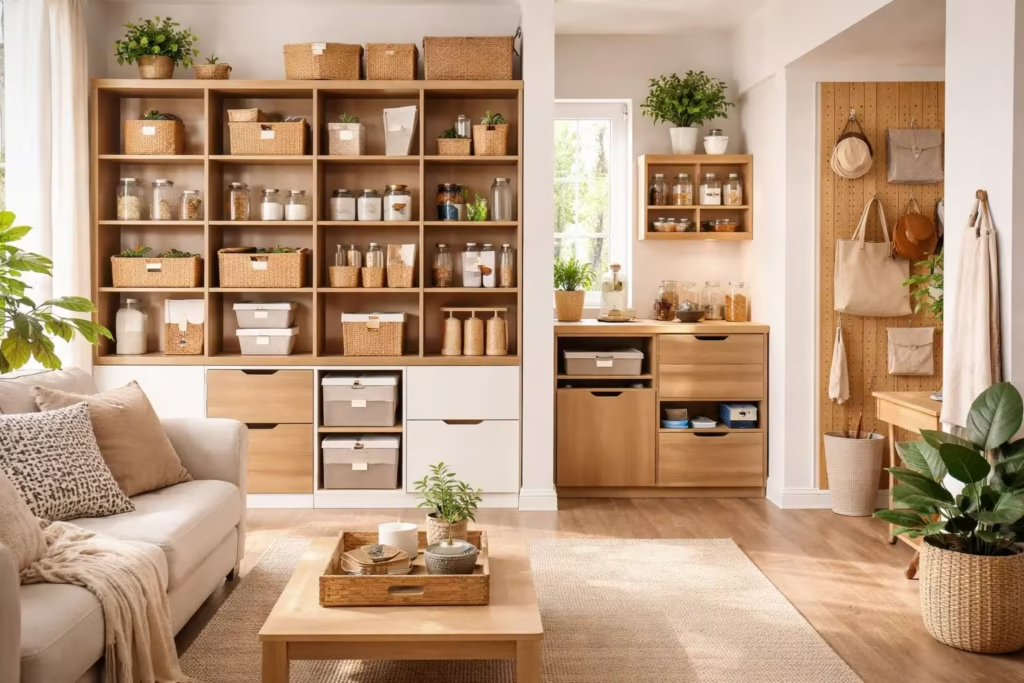
A closed cabinet or TV unit with drawers is worth prioritizing here — it hides wires, remotes, and gaming consoles that otherwise turn a coffee table into a tangle of cords. A storage ottoman or a coffee table with hidden compartments does double duty as furniture and a catch-all for blankets or board games. One shelf or basket for books and magazines keeps reading material from spreading across every surface, and a single designated charging station — just one spot where phones and tablets go to charge — stops cords from colonizing every outlet in the room.
If you’re rethinking the living room setup entirely, it’s worth understanding what actually counts as a full living room set versus piecing furniture together separately, since that decision shapes how much built-in storage you’ll have from the furniture itself versus how much you’ll need to add. Our guide on what is a living room set walks through that.
Bedroom and Closet: Where Vertical Space Wins
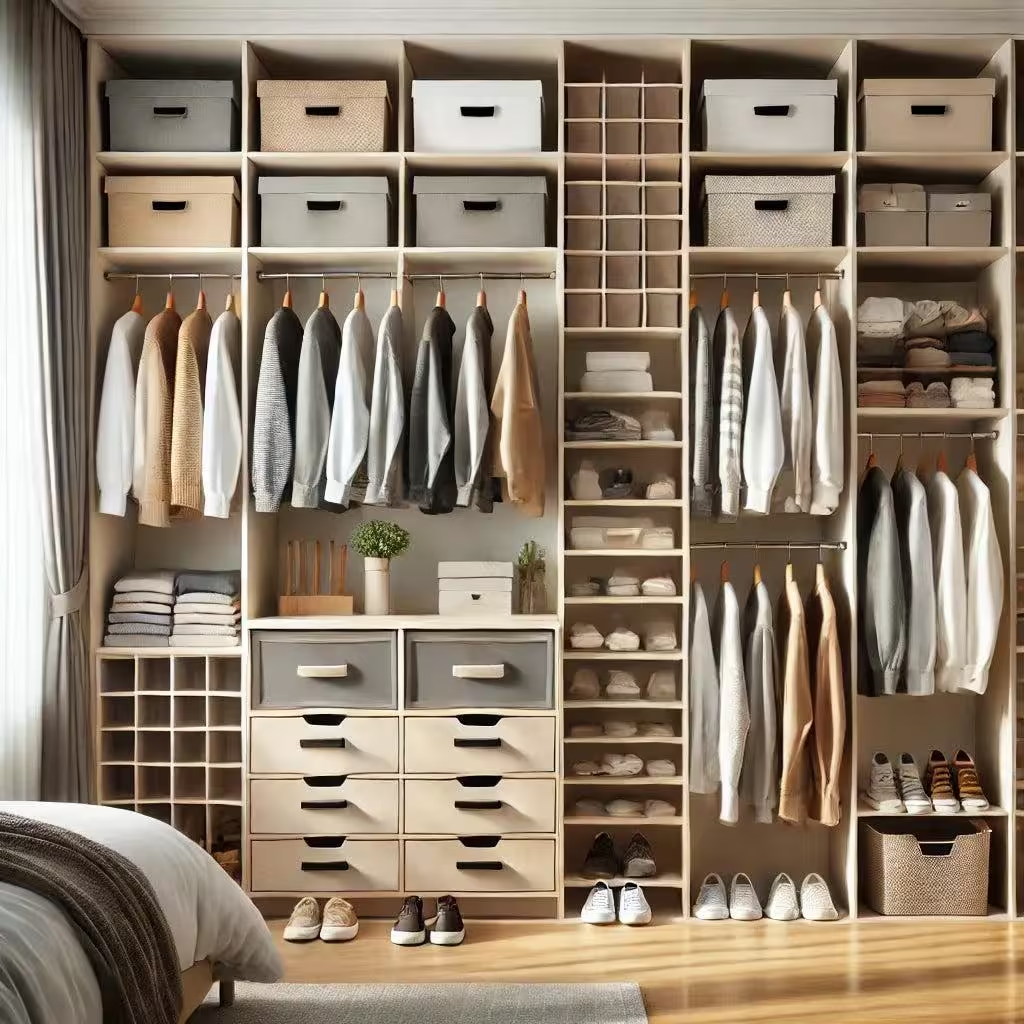
Bedrooms and closets are where vertical storage makes the biggest difference, because most closets waste the top third of their height entirely.
For the wardrobe itself, internal zoning matters more than total size — a mix of hanging space, drawers, and shelves works better than one giant hanging rod. Closet shelf depth should sit around 50 to 60 centimeters (about 20 to 24 inches), deeper than kitchen shelves because folded clothes and storage boxes need the extra room. Use the full wall height: add shelves up top for things you only need once or twice a year, like out-of-season coats or suitcases.
Under-bed storage is one of the most underused spaces in most homes — drawers or flat containers under the bed frame work well for seasonal items like vacuum-sealed bedding or off-season clothing. A bedside table with at least one drawer keeps the nightstand surface clear of charging cables and reading glasses. And one small thing that makes a bigger difference than it should: a valet hook, somewhere to hang the jeans you wore for two hours and aren’t ready to wash but don’t want crumpled on a chair either.
Inside the closet, a shoe rack with vertical dividers beats a flat shelf for shoes every time — shoes laid flat waste height, while a rack with dividers lets you stack pairs without crushing anything. Add lighting inside the closet if it doesn’t already have it; it sounds minor, but it’s one of those upgrades that makes you actually use the space properly instead of grabbing the first thing you see near the door.
For smaller bedrooms or apartments where a full walk-in closet isn’t an option, our guide to clothes storage ideas for small spaces has more specific solutions for working within tight square footage.
Bathroom: Small Room, Big Storage Demands
Bathrooms are small, but they hold a surprising amount of stuff — and almost everything in there needs to be either hidden or contained, because bathroom clutter looks messier per square inch than clutter almost anywhere else.
A closed cabinet under the sink handles bulk items like extra toilet paper and cleaning supplies. Wall shelves work well for smaller zones — towels, decorative items, or anything you want visible but tidy. Drawer dividers are worth the small investment for makeup, skincare, or a first aid kit; without them, a drawer becomes a junk pile within a week. An over-toilet cabinet or a recessed niche shelf takes advantage of dead space that most bathrooms waste entirely. And baskets for laundry or towels beat piles on the floor every time — even a simple woven basket changes how a bathroom feels.
Kids’ Room: Storage They’ll Actually Use
This is the room where most storage systems fail fastest, because the system has to work for a six-year-old, not just for you.
Open bins at child height matter more than anything else here — if a kid has to ask for help reaching a shelf, the toy stays out instead of going back. Labeled containers, with pictures for younger kids who can’t read yet, cut down on the “where does this go” confusion that turns cleanup into a fight. A rotating storage system — keeping some toys put away and swapping them in periodically — actually reduces clutter and keeps kids more engaged with what’s out, since nothing gets ignored from overexposure.
Wall shelves for books keep them off the floor without needing a full bookcase, and one “dump zone,” a single bin or basket where stray items go without needing to be sorted immediately, makes daily cleanup realistic instead of aspirational. Perfectionist organizing systems fail in kids’ rooms specifically because they assume a level of compliance that doesn’t match how kids actually use a room.
Laundry and Utility: The Room Everyone Forgets
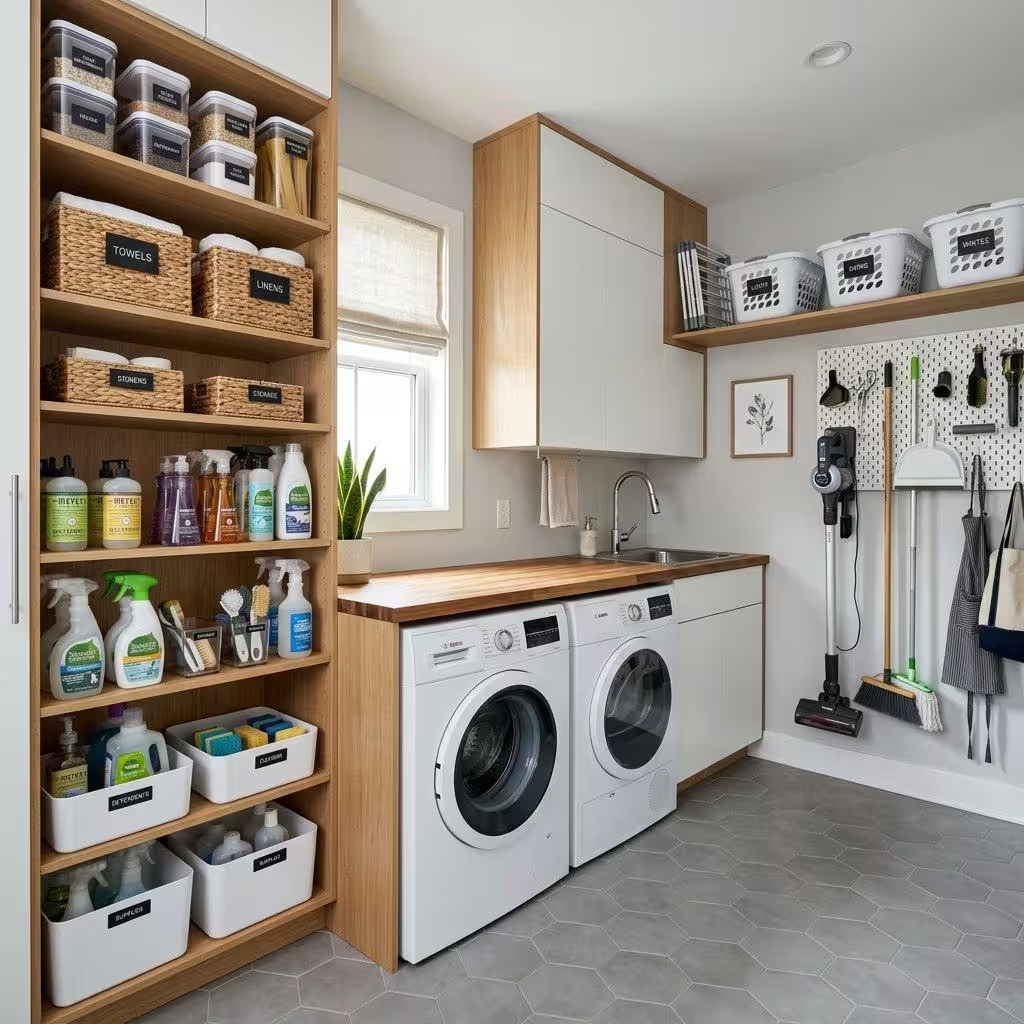
Laundry and utility rooms get the least planning attention of any space in the house, despite handling some of the most awkward-shaped items you own — mops, vacuums, ironing boards, drying racks.
A tall cabinet for brooms, mops, and the vacuum keeps these from leaning against a wall where they constantly fall over. A closed shelf specifically for cleaning chemicals matters for safety as much as tidiness, especially with kids or pets in the house. A flat surface for folding laundry — even a small one — makes a measurable difference in whether clothes get folded promptly or pile up in the basket. A dirty clothes sorter, split by color or fabric type, saves time on wash day. And hooks for the ironing board and drying rack keep these bulky items off the floor entirely.
If you’re weighing what type of washing machine fits your household and laundry room layout, that decision affects how much surrounding shelf and cabinet space you’ll need to plan for around the unit itself — our guide to types of washing machines breaks down the space and storage considerations for each.
Window cleaning supplies, extra light bulbs, and other household maintenance items also tend to end up here by default — worth setting aside a dedicated shelf for them rather than letting them scatter across the garage or a random kitchen drawer. If you’re stocking up, our breakdown of window cleaning equipment is a useful reference for what’s actually worth keeping on hand.
Quick Reference: Ideal Shelf Depths by Room
| Room | Ideal Shelf Depth |
| Kitchen pantry | 30–40 cm (12–16 in) |
| Closet/wardrobe | 50–60 cm (20–24 in) |
| Bookshelves | 25–30 cm (10–12 in) |
These numbers aren’t arbitrary — they’re based on what fits typical items in each category without wasting space behind them. A bookshelf deeper than 30 cm just creates a gap behind your books where dust and clutter collect.
Declutter First, or You’re Just Organizing Junk
Here’s the step almost every storage guide skips, and it’s the one that actually determines whether your new shelves stay useful past month one: declutter each category before you assign it a storage spot.
The 1-year rule is a simple gut check — if you haven’t used or worn something in the past year, it’s a strong candidate to donate or toss. Buying storage for things you should’ve gotten rid of just means you’re organizing junk more neatly, which doesn’t solve the underlying problem. Keep only what you have realistic space for, and resist the urge to overfill a new shelf just because there’s room — empty space in a drawer isn’t a failure, it’s buffer room for things you’ll actually acquire later.
Keeping It Tidy Without Turning It Into a Chore
A storage system that requires daily effort to maintain is a storage system that will fail. The goal is a setup where staying tidy takes less effort than making a mess, not one that depends on everyone in the house having perfect habits.
Give each family member a small “drop zone” — a spot for keys, bags, or whatever they tend to drop the second they walk in. Make categories obvious: shoes, books, chargers, papers, each with one clear spot, not three competing options. Skip open shelves for anything that tends to look messy no matter what — junk mail, loose cables, random small items belong in a basket or drawer, not on display.
The real differentiator, the thing that separates a system that lasts from one that quietly falls apart, is a short monthly check-in. Ten minutes per storage zone, once a month, to put back what’s drifted and toss what’s snuck in that doesn’t belong. It’s a small habit, but it’s the difference between a system that works for three weeks and one that works for three years.
If you’re tackling storage as part of a bigger renovation rather than room by room, it’s worth reading through our home renovation tips for beginners before finalizing layouts — built-in storage decisions are much easier to make before walls and cabinetry are already in place than after.
None of this requires a complete overhaul or a weekend of frustration. Pick one room, get the shelf depths and drawer organization right for how that room actually gets used, and build outward from there. The house that stays tidy isn’t the one with the most storage — it’s the one where the storage actually fits the life happening inside it.
FAQs
What is the ideal shelf depth for a kitchen pantry?
The ideal kitchen pantry shelf depth is 30 to 40 centimeters (12 to 16 inches). This keeps items visible from the front instead of hiding behind taller cans or boxes.
How much shoe storage does a family need?
Plan for at least 2 to 3 pairs of shoes per person in the entryway, with more space if anyone in the household plays sports or has heavy seasonal footwear like winter boots.
What is the 1-year decluttering rule?
The 1-year rule is a simple guideline: if you haven’t used or worn an item in the past 12 months, it’s a strong candidate to donate, sell, or toss before assigning it new storage space.
Should home storage be open or closed?
It depends on your habits. Open shelving works well for naturally tidy households or display-worthy items, but closed cabinets and drawers hide everyday mess better for households that tend to leave things out.
How deep should closet shelves be?
Closet shelves work best at 50 to 60 centimeters (20 to 24 inches) deep, since folded clothing and storage boxes need more room than items on display shelves.
How do I keep a storage system working long-term?
Build in a short monthly check-in — about 10 minutes per storage zone — to put back what’s drifted out of place and remove anything that’s snuck in without a designated spot.